Online shopping keeps growing fast in the Middle East, with more people turning to digital platforms, especially for global and regional brands.
For those exploring safer and more rewarding ways to pay, the PayPal Mastercard might offer benefits not always obvious at first glance.
This article is for frequent online shoppers interested in methods to streamline their purchases, enjoy stronger protection, and maybe even stretch their budgets a bit further in the process.
What Makes the PayPal Mastercard Unique for Middle Eastern Shoppers?
The PayPal Mastercard blends digital convenience and global acceptance, making it practical for online purchases both within the Middle East and elsewhere.
Its key attributes, like direct linkage to a PayPal account and enhanced fraud monitoring, set it a bit apart from classic debit or credit cards.
Sometimes, having payments and receipts streamlined in one online dashboard can reduce confusion, though that depends on shopping habits.
Wide Regional and International Acceptance
Shoppers from the UAE, Saudi Arabia, and other GCC nations can use the PayPal Mastercard on popular e-commerce sites, as well as on international retailers that support Mastercards.
Perhaps the international support stands out most for those who buy from brands not yet available locally.
But it’s wise to double-check every merchant’s payment options since acceptance can vary, especially with rapidly changing e-commerce platforms.
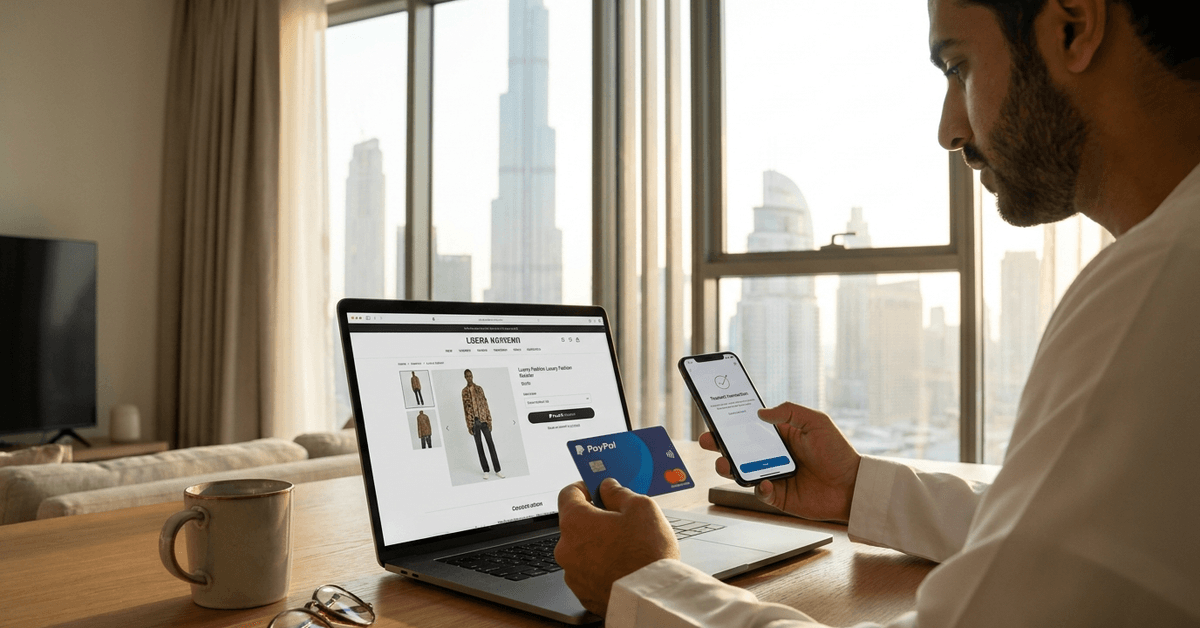
Linked to PayPal Balance for Seamless Management
Purchases appear automatically in the PayPal dashboard, simplifying tracking. This feature is particularly useful for users managing expenses in multiple currencies or who want a clearer overview of their digital spending.
But sometimes, aligning currencies across platforms can introduce small confusion—double-checking local fees or rates is never a bad idea.
Added Layer of Buyer Protection
PayPal’s purchase protection policies help shield users from unauthorized transactions or disputes with sellers.
For shoppers used to digital marketplaces, this layer can bring comfort, though the exact terms are worth reviewing before assuming full coverage. Sometimes the process of raising a dispute can feel lengthy or need clear documentation.
How to Get and Set Up a PayPal Mastercard in the Middle East
Although PayPal is well-established in the Middle East, the process for accessing a PayPal Mastercard can differ by country.
Not all countries have local PayPal Mastercard offerings, but often, users are given options for virtual or physical cards through international partnerships. It might take some patience, as registration requirements shift from one jurisdiction to another.
Check Country Eligibility
Availability will depend on your home country’s regulations and partnerships with PayPal. In places like the UAE and parts of the GCC, more options may be available, while other countries may offer alternative cards or integration with third-party providers instead.
Application and Verification Process
Using a PayPal Mastercard can make online shopping in the Middle East feel more secure, flexible, and convenient.
With careful spending, clear fee awareness, and reliable payment protection, it may support a smoother digital shopping experience across local and international stores.
- Sign up or log in to your PayPal account.
- Navigate to their card services—if the Mastercard is available in your region, an application option should appear.
- Follow ID, address, and sometimes income verification steps. Documents may be required, and the process can take anywhere from a few hours to several days.
- For virtual cards, immediate issuance is possible. Physical cards usually require a postal address and delivery time.
Linking and Managing the Card
After approval, linking your PayPal Mastercard to your PayPal balance or preferred local bank account is straightforward.
Regular management is handled within your main PayPal dashboard, so checking transactions or disabling the card if needed is always accessible.
Benefits of Using the PayPal Mastercard for Online Purchases
The card’s features suit those who value security, flexibility, and sometimes a bit of anonymity (since card numbers don’t always have to be passed to every vendor).
There are several potential advantages, but of course, not every user will benefit in the same way.
Enhanced Security Measures
Advanced encryption, instant spending notifications, and the absence of direct links to your personal banking data add layers of reassurance.
For users worried about compromised merchants or phishing, these features can bring a lot of peace of mind. Though, all systems have limits—some risk still exists in any digital payment, and vigilance remains important.
Cashback and Rewards Programs
Some PayPal Mastercards include cashback or point schemes for qualifying purchases. While not every transaction is eligible, the extra savings might slowly add up for regular shoppers.
The exact rates and rules do change, so it helps to check current offers (directly via PayPal’s FAQ or support pages).
Simplified Returns and Dispute Resolution
If an order goes wrong—if it arrives damaged, or never comes at all—disputes may be handled directly via PayPal, sometimes faster than via a traditional bank. The process can feel more efficient, though patience and documentation are almost always required.
Tips to Make the Most of Your PayPal Mastercard in the Middle East
While using the PayPal Mastercard is straightforward, maximizing its value can mean paying attention to smaller details and staying flexible as local e-commerce evolves. Here are some practical ideas, based on everyday shopping habits in the region.
Stay Alert for Exclusive Online Deals
A PayPal Mastercard can offer Middle East shoppers a more practical way to pay online with added convenience and control.
When fees, limits, and security features are reviewed carefully, it may help create a safer and more flexible shopping experience.
- Many regional and global stores offer special promotions for Mastercard holders—especially around major sales like Ramadan, Black Friday, or Eid.
- Check the deals sections on large e-commerce sites such as Noon, Namshi, or Amazon.sa for special payment-linked offers.
- Some deals may require pre-registration or promo codes—catching these might take a few extra steps.
Monitor Currency Conversion Fees
If shopping in foreign currencies, conversion fees can quietly eat into savings. The PayPal Mastercard is known for competitive rates, but it’s worth comparing with local bank rates—perhaps via small test transactions—just to check for surprises.
Set Alerts and Spending Limits
Activating alert features within PayPal and your device settings may prevent unauthorized use or over-spending. This can be reassuring for budget-conscious shoppers, or those monitoring family account usage.
Comparing PayPal Mastercard to Other Online Payment Methods
There’s no perfect payment method—each tool has its strengths and some drawbacks.
Sometimes local digital wallets, bank cards, or even cash-on-delivery feel more practical for very specific needs. Let’s consider briefly how the PayPal Mastercard fits in this larger landscape.
Pros Over Local Cards
Compared with many local payment cards, a PayPal Mastercard may offer added flexibility, broader acceptance, and useful features for international purchases.
- Greater international acceptance and compatibility with major global e-retailers.
- Integrated spending records—useful for tracking multi-currency purchases at once.
- Buyer protection not always matched by regional debit cards.
Potential Downsides or Limitations
While the PayPal Mastercard offers many advantages, understanding its potential limitations can help set realistic expectations before applying or using it.
- Not every merchant accepts PayPal or Mastercards—especially small local vendors.
- Sometimes, withdrawal or top-up fees can apply, particularly for moving funds to local banks.
- Customer support may be less localized than with a domestic bank.
Legal and Tax Considerations for PayPal Mastercard Users in the Middle East
Using international payment solutions in the Middle East often raises regulatory or tax questions. Most users encounter simple issues—limit thresholds or verification requests—but sometimes, new rules emerge with little notice.
Country-Specific Regulations
Differing laws affect how easy it is to receive, spend, and withdraw money via PayPal Mastercard. In the UAE, for example, authorities monitor international transfers more closely.
In Saudi Arabia, only approved foreign cards work with select e-commerce sites. It can feel confusing, but staying informed by checking your local banking authority’s guidance keeps surprises to a minimum.
Reporting and Tax Requirements
Many Middle Eastern countries have begun scrutinizing digital spending or outward transfers to comply with anti-money-laundering rules or VAT collection.
Most individual users aren’t affected, but significant transactions or business use may require reporting. Consulting a tax specialist can prevent headaches if you start making frequent big purchases.
Personal Data Privacy
Cross-border financial tools often transfer data between regions. PayPal emphasizes strong security, but every user has to decide what level of data sharing feels comfortable.
Reviewing the privacy statements, even if they feel dense, gives a better sense of what’s at stake.
Conclusion
Using a PayPal Mastercard can make online shopping in the Middle East feel more secure, flexible, and convenient.
With careful spending, clear fee awareness, and reliable payment protection, it may support a smoother digital shopping experience across local and international stores.
Note: There are risks involved when applying for and using credit. Consult the bank’s terms and conditions page for more information.