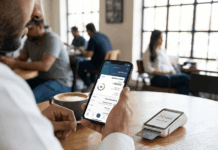
The journey toward financial independence often starts with a first card. The Intesa Sanpaolo XME Card stands out for many young adults in Italy.
Learning how it works, what’s involved in the application, and if it’s really the right fit may help you make an informed decision.
This guide walks through the key steps and common questions, especially for students and recent graduates exploring their options for daily spending, digital payments, and simple banking.
Why Young Adults Are Interested in the XME Card
For a lot of people starting out on their own financially, choosing the right card feels daunting. The XME card offers certain advantages designed for youth and first-time account holders, which could make it appealing.
Accessible to Students and Young Professionals
The requirements for the Intesa Sanpaolo XME Card tend to be straightforward. Unlike some cards needing a long work history or high income, young adults may qualify even if they're studying or in their first job.

Designed for Everyday Use
Features like contactless payment, online purchase support, and digital management from a mobile app fit the everyday financial behaviors typical of younger people. This integration may help simplify money management.
Linked to National and International Networks
The card’s connection to major payment circuits, such as Mastercard or Visa Electron, often means broad usability—both across Italy and while traveling within Europe. Convenience can be a significant draw here.
Eligibility and Documentation for XME Card Applicants
Sometimes, it’s hard to find straight answers about who can actually request the card. Intesa Sanpaolo does aim to make its process transparent, though a few points may need extra attention for first-time applicants.
Basic Eligibility: Age and Residency
The main requirement: you typically need to be 18 or older, and a legal resident in Italy. There’s no need to be already employed, but proof of status—like a student ID or contract—might be requested.

What Documents Are Needed?
- Valid government-issued ID (passport or carta d'identità)
- Fiscal code (codice fiscale)
- Proof of address (recent bill or official statement)
- Sometimes, proof of student status or work contract
Occasionally, variations may occur, so contacting your chosen branch or checking the bank’s website is recommended for the latest updates and forms.
How to Start the Application Process for the XME Card
The application journey can follow more than one path. Digital tools are increasingly common, but some still prefer the traditional in-branch approach—perhaps for face-to-face reassurance.
Applying Online: Fast and Convenient
Many young people are turning to Intesa Sanpaolo's digital platform. The process usually begins at the main website, where applicants create a secure profile before uploading scanned documents.
In-Person Application: Local Branch Experience
Visiting a branch can be useful for those with detailed questions, especially if it’s your first banking product. Bank employees may clarify certain terms, suggest alternatives, or walk through any ambiguous steps.
Main Steps to Complete the Process
- Register on the bank’s secure portal or visit a branch.
- Submit required documents for identity and address verification.
- Wait for initial approval, which can be immediate or take a few days.
- Follow identity check protocols, which might include a video call or physical appointment.
- Sign the contract digitally or on paper. Card production follows.
Most digital applications let you track progress. Sometimes, delays might happen if extra verification is needed, especially for international students.
What Features and Services Does the XME Card Provide?
Understanding what comes with the card could save time and maybe prevent later frustration. Not every feature will matter to every young adult, so picking based on need—not hype—matters here.
Contactless Payments & Mobile Wallets
With support for contactless technology and compatibility with Apple Pay or Google Pay, most everyday spending becomes simple. That said, some merchants, especially small ones, may still prefer cash, so flexibility may help.
Online Banking & Spending Monitoring
The XME card integrates with Intesa Sanpaolo's mobile and desktop apps. Account holders can see transactions in real time, freeze the card, or set spending limits. Perhaps, for those who worry about over-spending, this feature brings peace of mind.
International Usability
Being able to use the card abroad for payments and ATM withdrawals is a practical feature. Some young people share stories about small card fees while traveling—so checking the charges in advance avoids surprises.
Limits, Fees, and Management
Monthly or daily spending limits are set by the holder or the bank, depending on the account type. Typical associated fees may include:
- Annual fee (sometimes waived for younger users or promotional periods)
- ATM withdrawal fees, especially outside the Intesa network
- Foreign transaction fees for non-euro purchases
The exact numbers, of course, may change. Always reviewing the official price list or checking for current offers helps avoid inaccurate assumptions.
Tips for a Smooth XME Card Application Experience
Some applicants, especially those new to Italian banking, might run into small hurdles. Here are a few common-sense suggestions that may make the path a little smoother, though every situation is unique.
- Double-check documents before sending (especially for address accuracy).
- Review privacy settings and data sharing agreements—many skip this part.
- Give yourself extra time if you are a non-EU student, as additional steps may be involved.
- Monitor your email (and sometimes spam folder) for status updates from the bank.
- If anything’s unclear, a polite question at the branch or customer helpline is often worth it—even if you think you’re bothering them.
Common Concerns and Questions About the Intesa Sanpaolo XME Card
No application journey is entirely free of worries. That's normal. Here are a few topics that seem to come up often among young adults considering the XME card:
Can I Use the Card If I Study or Travel Abroad?
While the card works in other European countries, some features (like contactless limits or PIN resets) may differ. Checking branch availability isn’t always easy—maybe jot down the international customer support number in advance.
What Happens If My Card Is Lost or Stolen?
The mobile app allows for quick freezing of the card. There are also 24/7 helplines. Replacement usually takes several days, so having a backup payment method might be practical.
How Long Does Approval Usually Take?
It depends. Digital applicants may get an immediate answer, but document review or identity verification can add days. Peak times, like September, might mean longer waits for student applicants.
What About Fees and Promotions?
Promotional rates often change. While there's often an introductory offer for new clients under 26, specifics may differ by academic year or region. Sometimes, benefits aren’t automatic and need to be requested at application.
Legal and Tax Considerations for Young Cardholders
It probably feels early to think about taxes when opening your first card, but there are a few points every applicant should at least be aware about.
Tax Registration and Reporting
If you are receiving regular income (from part-time jobs or internships), the bank may ask about your tax status. Some international students find the Italian fiscal code system confusing at first, but there are guides on the Agenzia delle Entrate website if needed.
Data Protection and Personal Privacy
Banks in Italy are required to operate in line with strict privacy and data-handling rules. The information submitted for the XME card is securely stored but, as always, reading privacy disclosures is a habit worth developing.
Conclusion: Is the XME Card Right for Young Adults?
The XME Card may suit students and young professionals seeking simple digital banking. Its contactless payments, app controls, and international access support everyday spending.
Applicants should review current fees, limits, and promotional conditions before signing. Careful account monitoring can help new cardholders build responsible financial habits.