
When it comes to store-branded credit cards, the Target Circle™ Card has carved out a notable place for itself. Designed for frequent Target shoppers, this card—formerly known as the REDcard—offers store-centric perks.
But these rewards and requirements aren’t always as straightforward as they seem, and sometimes, I think people jump in before weighing the pros and cons.
This article unpacks everything you might want to know, whether you’re considering applying or simply curious about Target’s in-house credit card.
What Is the Target Circle Card?
The Target Circle Card is a store credit card issued by TD Bank, tailored exclusively for shopping at Target stores or Target.com. If you’re brand loyal or find yourself in Target’s aisles a bit too often (guilty, perhaps?), it can seem appealing.
The rebrand from REDcard to Circle card aligned it more closely with the broader Target loyalty ecosystem, but the core feature set remains: convenience, instant discounts on shopping, and limited out-of-store usability.
Key Features and Everyday Benefits
It’s not just about using a branded card; it’s about squeezing every drop of value from your regular shopping trips. Here are the headline perks, though some are easier to appreciate than others.
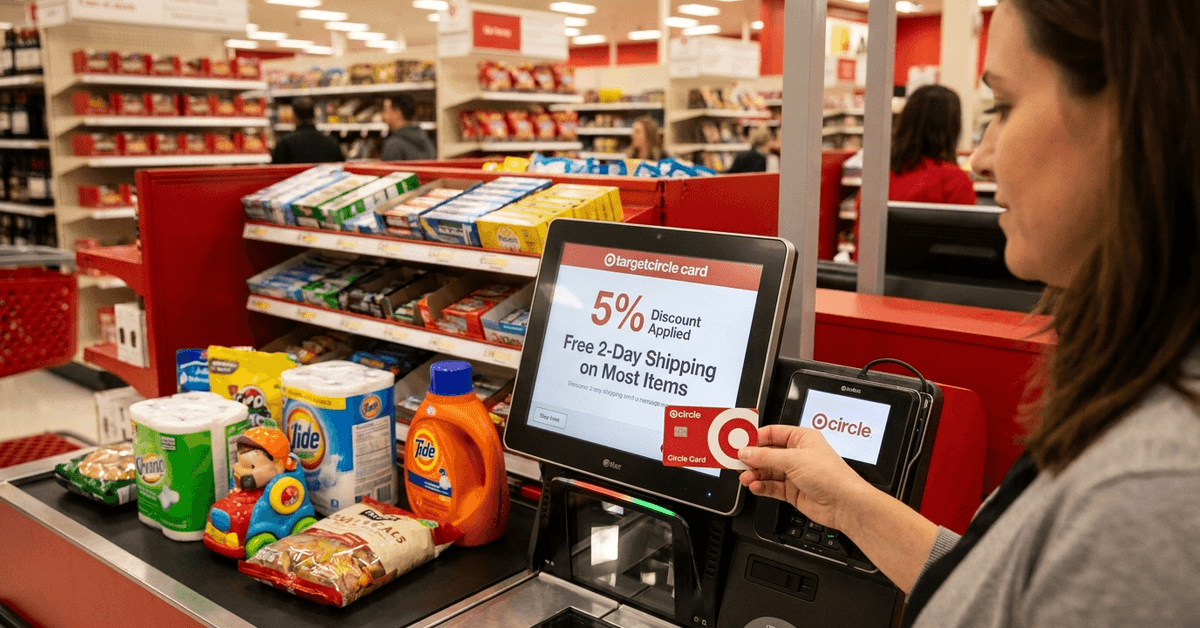
5% Discount on All Target Purchases
Perhaps the most-lauded benefit is the instant 5% discount at checkout. It doesn’t require points or redemptions; it just applies immediately.
But, there are exclusions—so double-check what counts. Some items like prescriptions or gift cards don’t qualify, and the policy can be a little confusing at first glance.
Extended Returns
Cardholders receive an extra 30 days to return items. That buffer can be a lifesaver if you’re indecisive, or if, like me, you occasionally misplace receipts. But remember: not every product type is eligible, and seasonal items might have their own rules.
Free Two-Day Shipping
For those shopping online, the free two-day shipping on Target.com purchases feels like a familiar, almost expected perk. The caveat? Large or heavy items, plus certain rural addresses, might not qualify. Worth noting if you’re outside a major metro area.
Early Access and Special Offers
Target Circle Card members occasionally get priority for new product launches or extra promo events. Sometimes, this means access to sales before the general public. It can be useful, though not every offer is equally tempting—or actually a true deal.
Potential Drawbacks and Limitations
While headline perks can jump out, it’s easy (I think) to gloss over fine print. Here are the less glossy realities:
High APR
The Target Circle Card APR tends to be much higher than many mainstream credit cards. If you carry a monthly balance, those interest charges can easily wipe out any savings from discounts. In this case, perhaps it’s worth evaluating your payment habits before applying.
Limited Acceptance
Unlike a Visa or Mastercard, the Target Circle Card can only be used at Target stores and on Target.com. It’s not a fit for general-purpose spending, so it functions more like a loyalty tool than a versatile financial instrument.
Exclusions on Discounts
Despite the 5% savings claim, not everything earns a discount. Commonly excluded items include:
- Pharmacy purchases (some prescriptions)
- Gift cards
- Certain third-party products
- Shipping or delivery fees
The exclusions list changes sometimes, and it can be tough to keep every nuance in mind. Maybe this isn’t a dealbreaker, but it’s definitely one of those fine print headaches.
How to Apply: Eligibility and Approval
Applying for the Target Circle Card is mostly online at Target.com, or in person at a store kiosk. You’ll need standard credit application documents—personal information and financial details.
Credit approval is required; some sources say you can get the Target Debit Card (which pulls from your checking account) with less scrutiny, though that’s a slightly different product.
Credit Score Requirements
Target doesn’t publish exact credit score thresholds, but user reports suggest people with “fair” credit (mid-600s or better) have a realistic shot. Lower scores may struggle with approval. One caveat: an application will result in a hard inquiry.
Does Applying Affect My Credit?
As with most credit lines, submitting an application adds a hard inquiry to your credit report. This can lead to a small and, usually, temporary dip in your score.
Over time, responsible use (low balance, consistent payments) could help your credit, but it’s not guaranteed.
Comparisons: Is It Worth It vs. Other Store Credit Cards?
If loyalty cards are your thing, it’s tempting to collect them—Target, Walmart, Amazon, you name it. However, the true value depends on your shopping patterns.
Target Circle Card vs. Walmart Rewards Card
The Walmart Rewards Card offers rewards on a broader range of spending—gas, travel, restaurants—but redeeming those points at Walmart is most rewarding. Target’s card is simpler with its instant discount, though less flexible overall.
Target Circle Card vs. Amazon Prime Card
Amazon Prime Card offers 5% for Prime members on Amazon plus other bonus categories, and it can be used anywhere Visa is accepted. But the annual fee (folded into Prime) and potentially higher spending requirements are points of comparison.
| Feature | Target Circle Card | Walmart Rewards Card | Amazon Prime Card |
|---|---|---|---|
| Discount / Reward Rate | 5% at Target | 2%-5% at Walmart, gas, travel | 5% on Amazon |
| Where Usable | Target/Target.com only | Breadth of retailers | Any retailer accepting Visa |
| Annual Fee | None | None | With Prime Membership |
Costs, Fees, and Interest Rates
This is where the Circle Card often trips up first-time applicants (I’ve heard frustrated comments at checkout more than once). While the card doesn’t have an annual fee, the ongoing APR is consistently above the national average.
Missing a payment, even just once, could lead to higher rates or late fees. Balancing the convenience with real interest costs is crucial.
Fee List:
- No annual fee
- High ongoing APR
- Late payment fee (usually up to $40)
- Returned payment fee (varies)
Unlike some cash-back or travel cards, there’s no introductory 0% APR or bonus offer, which may affect your decision if you’re comparing cards for big purchases.
Credit Card Security and Account Management
Target has made visible investments in security. All Circle Cards feature chip technology. The mobile app adds account management tools, so tracking transactions or freezing your card is straightforward.
But as with any store account, keeping your password unique and monitoring for suspicious activity is recommended. Data breaches—though infrequent—do happen.
Setting Alerts and Payments
The Circle Card can be managed via the Target app or website. Setting up payment alerts, paperless billing, and fraud notifications can help avoid missed payments or strange charges.
Automated payments provide added security against late fees, but it’s wise to double-check statements monthly.
Legal, Credit, and Privacy Considerations
Applying for or using the Target credit card means sharing sensitive information with Target and their banking partner.
Reading through terms and privacy policies might feel tedious (honestly, who enjoys it?), but for those concerned about data privacy, it’s especially worthwhile. Target discloses how your info may be used, but as with all credit cards, there’s a degree of vulnerability.
Credit Impact Over Time
Maintaining a low balance and never missing a payment can, over the long run, help your credit standing. But it’s not a given.
Some users see little impact; others, especially those with limited credit history, may notice improvements or more available credit from responsible card use.
Maximizing Target Circle Card Value
If you’re already a frequent Target shopper, the 5% discount can add up year-round. However, optimizing card use means:
- Avoiding balance carryover to escape high interest
- Stacking with Target Circle offers for extra discounts
- Double-checking for exclusions before big shops
- Setting up payment alerts and app notifications
For those who only shop at Target occasionally, the card’s value might feel underwhelming. In that case, perhaps a general cash-back or travel card would be a better fit for your style.
Tips for Using the Target Circle Card Wisely
A few simple habits can help you enjoy the card’s perks without losing value to fees or interest.
- Pay the balance in full.
- Use it only for Target purchases.
- Stack Circle offers and discounts.
- Check excluded items first.
- Set payment and spending alerts.
Conclusion: Is the Target Circle Card Right for You?
The Target Circle Card can work well for shoppers who visit Target often. Its built-in discount and store perks may deliver steady savings over time.
However, the card’s high APR and limited usability are important drawbacks to consider. For the best value, use it responsibly and compare it with broader cash-back options before applying.