The Saudi Binladin Group has influenced construction and infrastructure development in Saudi Arabia. Its projects require technical and support disciplines.
This guide explains core departments, roles, careers, collaboration, and job trends. It also highlights construction jobs KSA and opportunities linked to mega-projects.
Why Saudi Binladin Group Matters in Middle Eastern Construction
The Saudi Binladin Group has roots dating to the 1930s and experience delivering airports, universities, infrastructure, and religious-site expansions.
Its scale creates opportunities across technical, operational, and corporate functions in complex construction environments.
Core Departments and Functions Within SBG
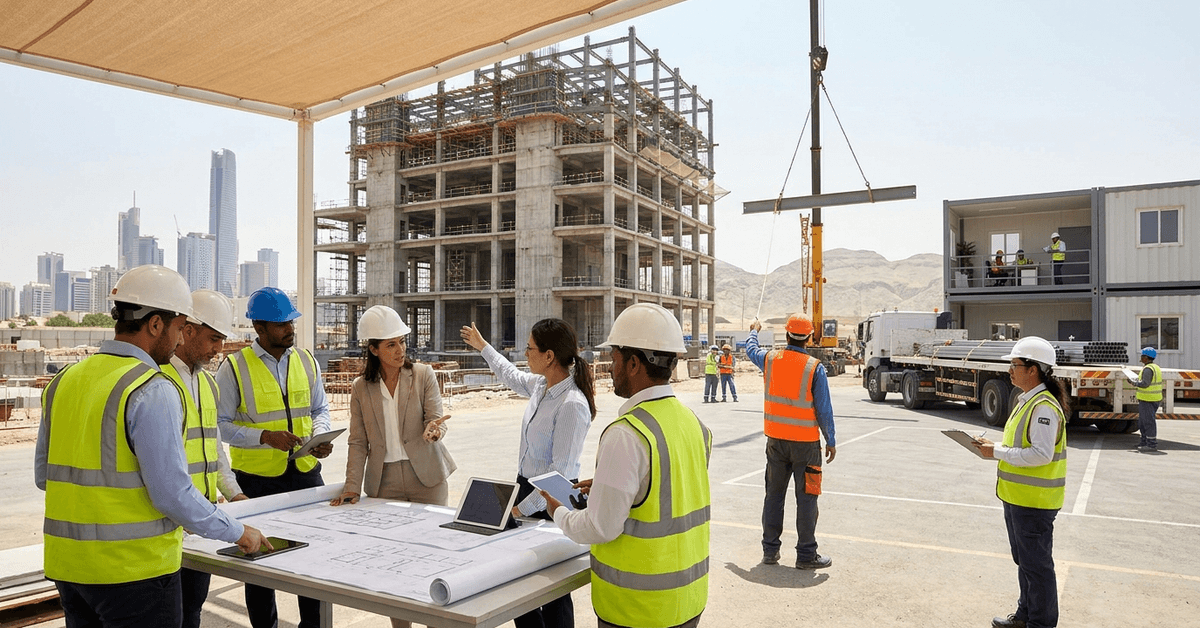
SBG operates through multiple divisions and functions supporting different stages of construction delivery. Job seekers may encounter teams covering design, execution, logistics, management, and operations.
- Engineering and Design: Civil, structural, mechanical, and electrical teams develop plans and support technical execution.
- Project Management: Project managers coordinate schedules, budgets, resources, contractors, and communication.
- Procurement and Supply Chain: Specialists manage sourcing, suppliers, materials, logistics, and contracts.
- Construction Supervision: Supervisors and safety personnel monitor site progress, quality, schedules, and safe practices.
- Business Support Services: HR, finance, legal, administration, IT, and communication teams support operations.
Engineering Roles: Where Ideas Become Reality
Engineering remains a central career pathway within large construction organizations such as SBG. Engineers combine technical knowledge with practical problem-solving during planning and delivery.
Civil and Structural Engineers
Civil and structural engineers review designs, specifications, and construction requirements for major works.
They may coordinate technical activities, inspect progress, and resolve site issues. Analytical ability must combine with practical judgment and adaptability.
Mechanical and Electrical Engineers
Mechanical and electrical engineers manage building systems and services that keep facilities functioning.
Their work can include cooling, electrical distribution, wiring, equipment, and system integration. Coordination with other disciplines is essential throughout construction.
Specialist and Environmental Engineers
Specialist engineers support areas requiring advanced technical expertise, including sustainability and environmental performance.

Growing attention to efficient construction can increase the importance of environmental knowledge. These roles may involve evolving standards, technologies, assessments, and requirements.
Project Management: Holding It All Together
Project managers connect people, schedules, budgets, and delivery targets across complicated construction programs. Their decisions influence engineering teams, contractors, clients, suppliers, and site operations.
Site-Based and Office-Based PM Roles
Site-based project managers focus on daily construction progress, coordination, obstacles, and delivery priorities.
Office-based managers may concentrate on budgets, documentation, supplier discussions, planning, and compliance. Both environments require communication because delays can affect others.
Soft Skills That Set PMs Apart
Technical ability alone does not make effective project management successful. Calm communication, listening, negotiation, problem-solving, and adaptability can help managers respond when plans change. Strong managers balance accountability with collaboration rather than authority.
Site Supervision and Safety: Where Details Matter Most
Supervisors, foremen, and HSE professionals maintain day-to-day site control across labor, equipment, deliveries, and work sequences. Their attention to execution and safety helps projects meet standards.
Foremen and Supervisors
Foremen and supervisors translate project plans into daily activities for site crews. They monitor schedules, coordinate workers, conduct toolbox discussions, and identify practical problems early. Observation, communication, and field experience are important in these roles.
HSE Professionals
HSE teams monitor health, safety, and environmental requirements across active construction areas. Responsibilities can include training, inspections, audits, documentation, incident reviews, and hazard discussions. Consistent safety practices support workers and project delivery.
Procurement, Contracts, and Supply Chain: Connecting the Dots
Large projects depend on reliable materials and suppliers arriving when needed. Procurement and supply-chain professionals manage sourcing, contracts, vendor relationships, logistics, and possible delays.
Buying vs. Building Relationships
Procurement work involves more than reducing purchase costs on individual orders. Professionals balance pricing with quality, delivery reliability, specifications, and relationships with local and international suppliers.
Strong supplier networks matter when shortages, customs issues, or scheduling changes affect projects.
Business Support Roles: The Company Behind the Construction
Construction sites depend on business support teams handling people, finances, contracts, technology, and administration. These functions may be less visible but remain essential to project continuity.
Human Resources
Human resources teams support large and diverse workforces across projects and locations. Responsibilities can include recruitment, onboarding, employee records, visas, workforce planning, and workplace issues. Workloads may change with project activity and staffing requirements.
Finance and Legal
Finance teams oversee payroll, forecasts, budgets, insurance, payments, and controls. Legal specialists review contracts, claims, regulatory obligations, and disputes that can affect schedules or costs. Both functions help manage risks beyond physical construction.
IT, Admin, and Communication
IT, administration, and communication teams enable organized information flow across offices and sites.
Digital systems, data management, support, and internal communication help geographically separated teams collaborate. These roles can grow as contractors adopt digital management and reporting tools.
Specialization and Career Growth at Saudi Binladin Group
Career development can involve specialization or internal movement as projects and organizational needs change. Opportunities may vary with project pipelines, training, qualifications, and business conditions.
- Special Project Teams: Airport, rail, stadium, infrastructure, or other assignments can require specialized experience.
- Graduate Opportunities: New engineering graduates may seek entry-level roles providing practical site and project exposure.
- Technical Specialization: Employees can deepen expertise in engineering, safety, contracts, procurement, planning, or digital systems.
- Field-to-Office Progression: Some professionals move between site responsibilities and office-based management functions.
Internal Collaboration: Working With Global and Local Teams
SBG projects can involve cross-cultural collaboration among employees, consultants, government entities, contractors, and suppliers. Adaptability and communication help teams handle different backgrounds, approvals, schedules, and technical expectations.
Job Market Trends and Application Advice
Saudi development programs and mega-projects continue to support interest in construction jobs KSA across engineering, project controls, procurement, safety, and digital functions. Candidates should connect qualifications with the needs of each advertised role.
- International applicants should demonstrate technical expertise and regional awareness.
- Local candidates can benefit from Arabic fluency and knowledge of Saudi regulations.
- Engineering applicants should highlight project scale, software skills, certifications, and responsibilities.
- Project-management candidates should show scheduling, budgeting, coordination, and problem-solving experience.
- Safety applicants should document relevant HSE qualifications and site experience.
- All applicants should verify vacancies through reliable company or recruitment channels.
Key Takeaways: Roles and Opportunities at SBG
Career options at SBG can span engineering, construction supervision, procurement, project management, safety, finance, legal, HR, and technology. The best fit depends on qualifications, project demand, experience, and teamwork.
Conclusion
Saudi Binladin Group offers diverse construction career paths across technical, operational, and corporate functions. Engineering, project management, procurement, safety, and support teams all contribute to complex project delivery across demanding sites and business operations nationwide.
Candidates exploring construction jobs KSA should compare their skills carefully with current role requirements and project needs. A focused application can help professionals pursue relevant long-term opportunities within Saudi Arabia's evolving construction secto