If you’re considering a Nexi credit card through your primary Italian bank, you aren’t alone. Many residents and newcomers see Nexi as a simple, widely accepted card option. But, between myths, paperwork, and security concerns, the actual process can feel a bit daunting at first.
This guide is aimed at anyone interested in learning the real steps – not just what’s on the banks’ flyers – for requesting and activating a Nexi credit card through a traditional institution in Italy.
Whether you’re banking with Intesa Sanpaolo, UniCredit, or another local player, most of these tips apply across Italy’s classic banking landscape.
Why Consider a Nexi Credit Card Through Your Bank?
Sometimes the simplest reason is, well, peace of mind. Using a bank you already trust often makes the whole process less stressful. But are there other things to keep in mind?
Bank-Backed Security and Support
A traditional bank can offer you support in case there are issues or fraud. There’s also an extra layer of due diligence since the card is issued under the bank’s established guidelines.
Connection to Your Existing Accounts
Linking a new Nexi credit card to an account you already use can simplify future payments, statements, and even repayments. For some, that alone seems worth it.
Physical Places to Go for Help
If you run into trouble or lose your card, perhaps you feel more comfortable knowing you can simply walk into your branch rather than navigate remote phone lines or email queues.
Step-by-Step: How to Request a Nexi Credit Card in Italy
While every bank has its quirks, the core application process shares a common structure. Think of it as a blend of paperwork, ID checks, and waiting (sometimes less than you’d expect!).
1. Review Card Types and Requirements
Banks often offer several Nexi card options – classic, gold, and even prepaid variants. Not all are available everywhere, and eligibility may hinge on income or account history.
2. Gather the Required Documentation
- A valid Italian ID card (or passport, if you’re a foreign resident)
- A fiscal code (codice fiscale)
- Proof of residence (like a utility bill or tenancy contract)
- Potentially, evidence of regular income
Some banks may ask for financial information upfront. It can sometimes feel excessive, but that’s part of their anti-fraud routine.
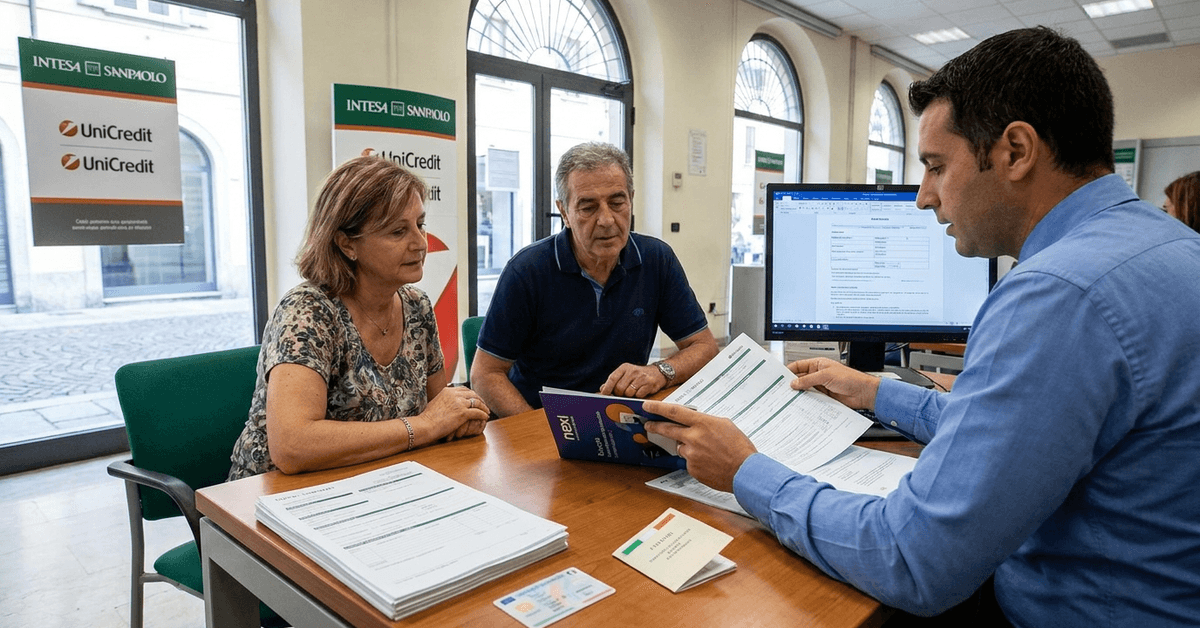
3. Submit Your Application at the Branch (or Sometimes Online)
The classic approach is to visit your branch in person. Increasingly, some banks also let users log in to their online portal, choosing and applying for cards digitally. That said, it’s rare for the entire process to be online if it’s your first Nexi card.
4. Await Approval and Credit Check
The bank reviews your request and documentation. Some might call you for a brief chat, while others simply send an SMS or email when your card is approved (or not).
5. Receive Your Nexi Card
If you’re approved, the bank usually sends the Nexi credit card by post or tells you when it’ll be ready for pickup at the branch. Sometimes, there’s a small delivery fee, though often not for standard cards.
What Happens Next: Activating Your Nexi Card Securely
Receiving the card does not mean it’s ready to use. Italian banks, by default, err on the side of caution, which might be frustrating but, in reality, protects your money.
How Banks Handle Card Delivery
Normally, the card and the PIN arrive separately for security. If your documents are missing, contact the branch; don’t guess or try to force the activation platform.
Typical Activation Methods
- Phone Activation: Calling the official Nexi number, which is usually printed on a sticker on the card
- Website/App Activation: Some banks allow you to activate directly from your online banking or Nexi’s portal
- ATM Activation: Performing the first transaction at an ATM (sometimes only possible with certain banks or card types)
Always rely on official bank or Nexi instructions. If an SMS or email seems suspicious, check its legitimacy with your branch first.
Personal Experience: Is Activation Instant?
In practice, activation delays are possible. Sometimes, I’ve found the ATM method works faster, while online activation could take a little longer. This varies quite a bit.

Understanding Fees, Limits, and Managing Your Nexi Card
You’ll want to double-check the fine print. Italian banks, while generally transparent, use specific terms for interest rates, annual fees, and spending limits.
Having a long-term relationship with your branch might help negotiate better terms, although it’s never a guarantee.
Main Fees to Look For
Understanding the fee structure helps you estimate the true cost of using a credit card. Reviewing these charges before applying can help you avoid unexpected expenses.
- Annual card maintenance cost (sometimes waived in the first year)
- Foreign transaction charges
- Cash withdrawal fees from non-network ATMs
Credit Limits and Adjustments
Your initial credit ceiling may be conservative, especially if you’re new to the bank or don’t have extensive financial records. Adjustment is generally possible after some usage and on-time payments.
Some people are surprised by this, expecting higher limits from the start, but it's a common approach.
Tips for Using and Securing Your Nexi Credit Card
It’s perhaps tempting to use your fresh Nexi card everywhere, but there are a few smart habits that could protect your finances and even improve your credit reputation.
Enable Spending Alerts
Most traditional banks offer SMS or app notifications for every transaction. These alerts, while sometimes repetitive, make it easier to spot fraud almost immediately.
Always Check Your Statements
You'd be surprised how often an unexpected small charge goes unnoticed for months. Quick checks (monthly, at least) can save you a lot of hassle.
Report Lost or Stolen Cards Promptly
Nexi provides a 24/7 loss reporting helpline. The number is typically found on the bank’s website and in your card paperwork. In case of theft, there's also a process for blocking the card to limit liability.
Update Your Card Info for Recurring Services
When a card is replaced (for any reason), don't forget to update critical recurring payments – streaming subscriptions, utilities, or insurance premiums can bounce if ignored.
Legal and Tax Obligations With Your Nexi Credit Card
Italian banking regulations take financial safety and compliance seriously, especially regarding credit products. What does that mean for you in everyday life?
Mandatory Reporting and Anti-Fraud Checks
Banks are required to verify your identity, income, and financial status under Italian law. These checks can sometimes feel intrusive, but that’s a legal necessity.
Tax Declarations for Credit Card Usage
The Italian tax code expects transparency in income and some card-based transactions, especially if you’re self-employed. Keeping records, even just screenshots or PDFs of statements, could make year-end declarations simpler.
Privacy and Data Protection
Italy’s GDPR compliance is strict. Banks and Nexi won’t share your data beyond what is legally required. If privacy is a major concern, you can always ask your branch about opt-outs and data retention policies.
Frequently Asked Questions About Nexi Credit Cards in Italy
Many applicants have questions about the basic requirements before applying. Understanding the eligibility criteria can help you choose the right Nexi card.
Is it possible to apply for a Nexi card without an Italian bank account?
Generally not. Most offers are tied to existing current accounts. However, prepaid Nexi cards may be available to non-residents in select cases.
Can a Nexi credit card be linked to online payments and international platforms?
Yes. These cards work with most Italian and international payment platforms, including online services and digital wallets widely used in Europe.
What if my card application is declined?
Banks sometimes refuse based on past credit issues or insufficient documentation. It might make sense to ask your branch directly for details or alternate card products.
Conclusion: Managing a Nexi Credit Card Responsibly
Requesting a Nexi card through your bank can provide convenient support and account integration. Approval usually depends on complete documents, financial history, and the selected card type.
Reviewing costs, credit limits, and security settings helps prevent unexpected problems. Responsible spending and regular account monitoring can make the card easier and safer to manage.