The food sector is often regarded as a foundational industry. For many professionals, stability is a critical factor when considering a career in this field. Almarai stands out as a leading example of consistency and growth in the Middle East’s food sector.
Especially for those seeking long-term prospects and job security, Almarai’s operational scale, innovation, and dedication to staff welfare are worth close attention.
Why the Food Sector Remains a Safe Bet
The demand for food rarely wavers. In regions like Riyadh, Jeddah, and Dammam, shifting populations and diverse tastes sustain steady consumption rates.
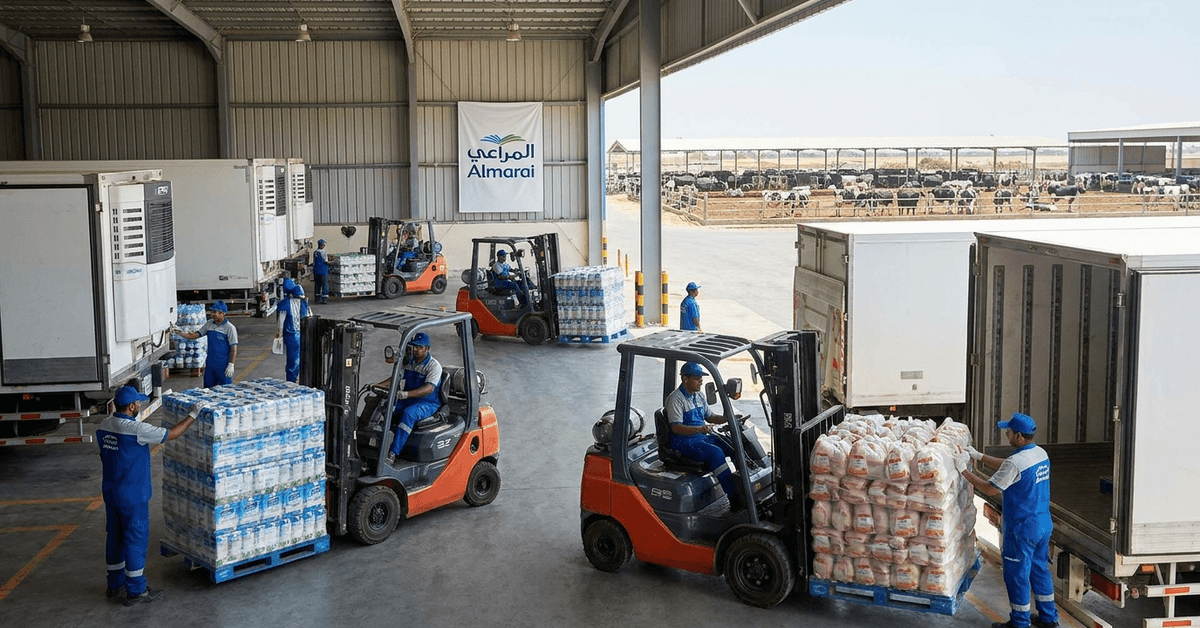
As one of the GCC’s largest employers, Almarai plays a pivotal role in this landscape. It consistently demonstrates resilience to economic shifts and global disruptions.
Consistent Demand and Market Growth
Major cities such as Riyadh have witnessed growing populations and expanding retail chains. A company with logistical depth can navigate disruptions—Almarai’s extensive supply chain is a useful example.
Market research tools like Statista confirm steady year-on-year spending on dairy and bakery products, even during uncertain times.
Essential Products Create Resilience
Products such as milk, bread, and poultry remain daily necessities. Almarai’s broad product line covers these staples, sustaining demand across many demographics.
This reliability makes the company notably resilient compared to sectors driven by trends or luxury spending.
Understanding Almarai’s Business Model
Almarai operates from a fully integrated model. Each stage is managed in-house, from farm operations to retail distribution.
This model provides the company control and agility, supporting both food safety and constant product quality.
Vertical Integration Benefits
Managing feed, processing, logistics, and retail in-house reduces supply chain risks. During periods of supply disruption, such control can mean the difference between delays and prompt delivery.
Competitors often rely more heavily on third-party vendors, which can introduce added risk. Almarai’s approach helps ensure products reach major cities like Jeddah and Mecca reliably.
Innovation and Continuous Improvement
Almarai invests heavily in agricultural research and logistics technology. Specialized apps, such as the Almarai Mobile App, enhance inventory management for both consumers and business customers.
Process monitoring tools likewise boost traceability—valuable for food safety and compliance across its territories.
Workforce Stability and Career Building
In the job market, food sector stability is often matched by structured development. Almarai places a high value on staff training, offering programs at various career stages.
Opportunities are available for both entry-level staff and experienced professionals. The company often collaborates with regional universities in Al Khobar and Dubai for talent development.
Stable Compensation Packages
Food sector jobs with companies such as Almarai are known for offering regular salaries and benefits. Key benefits include health coverage, housing allowances, and performance bonuses.
Regular salary reviews and clear growth pathways help employees plan for the long term—a rarity in many fast-moving industries.
Focused Training and Advancement
Dedicated training centers in Riyadh and Dammam offer tailored programs. Almarai uses e-learning platforms like Coursera for continuous staff development, which can be especially valuable for upskilling in logistics or quality assurance.
This focus on training helps ensure a workforce that adapts to new challenges, from technology integration to evolving safety standards.
Technology and Supply Chain Security
Almarai’s integrated supply chain means food traceability can be managed in real time. Barcode scanning and RFID tracking are common tools, used to monitor goods from production to sale.
Tools such as SAP for enterprise resource planning and the Almarai Procurement Portal streamline vendor interactions and enhance data security.
Modern Logistics Solutions
Fleet management through GPS is a norm at Almarai, providing oversight and agility. This helps prevent delivery delays—especially relevant in fast-growing urban centers like Medina.
Cold chain logistics keep products fresh from farm to shelf, reducing waste and preserving quality standards for end consumers.
Quality Assurance Protocols
Digital checklists and automated alerts are frequently used to maintain production consistency. This focus on quality is part of what maintains brand trust over the years.
Third-party audits, including those by SGS, are regularly conducted to meet or exceed regional safety regulations.
How to Explore Opportunities with Almarai
Those considering a career shift to food sector stability will find the application process straightforward. Open roles can be found directly on the Almarai Careers Portal.
Opportunities range from agriculture and logistics positions to finance, administration, and IT roles across Saudi Arabia, UAE, and Egypt.
Application Process Steps
- Visit the official Almarai Careers Portal or LinkedIn page.
- Select a location (e.g., Riyadh, Cairo, Dubai) and department of interest.
- Prepare updated CVs and focus on any relevant supply chain or quality control experience.
- Submit applications online, ensuring contact details and references are up to date.
- Participate in interviews, often virtual, with focus on experience and cultural fit.
For existing industry professionals, networking referrals can provide added visibility at the executive level.
Enhancing Chances for Selection
Training certificates in food safety (like HACCP) or technology platforms (such as SAP) increase eligibility. Proficiency in both Arabic and English is commonly needed, particularly for customer-facing positions.
Demonstrating flexibility in work location and clear interest in career development may help applicants stand out.
Common Challenges and Real-World Solutions
No sector is entirely without risks. In the food industry, challenges may include long shifts, supply chain disruptions, or adapting to new regulatory requirements.
Almarai uses structured feedback methods—employee surveys, town hall meetings, and digital suggestion boxes—to address day-to-day issues.
Support Systems for Employees
Accessible HR portals make it simple for employees to submit concerns or questions. There are pathways for escalation, ensuring responses are timely and well-documented.
Onsite clinics and wellness programs, especially in major cities, assist with physical and mental health needs.
Examples of Adaptation
During the pandemic, Almarai implemented remote training through digital platforms. Flexible scheduling and protective health measures became standard across its production and retail sites.
This openness to operational change has reinforced long-term confidence among staff and consumers alike.
Conclusion
Finding stability in the food sector depends on choosing organizations with a proven record. Almarai exemplifies this path: resilient to market shifts, forward-thinking in employee welfare, and open to technological progress.
Its long-standing reputation among workers, suppliers, and consumers is a reflection of constant adaptation and practical strategy.
While no job is entirely risk-free, the Almarai approach provides a strong foundation for sustainable career growth and security in a vital industry.