
Packing and factory jobs in Japan are in constant demand. These roles are essential for the country's manufacturing sector. Foreigners and locals alike often seek these opportunities for stable income and manageable work hours.
This guide is designed for job seekers considering factory or packaging positions in Japan. It’s especially useful for newcomers, those without advanced Japanese skills, and anyone seeking structured steps to land such jobs smoothly.
Why Packing and Factory Jobs Remain Popular in Japan
Packing and factory work appeals to job seekers for several reasons. Many factories offer both full-time and part-time positions, so schedules are flexible.
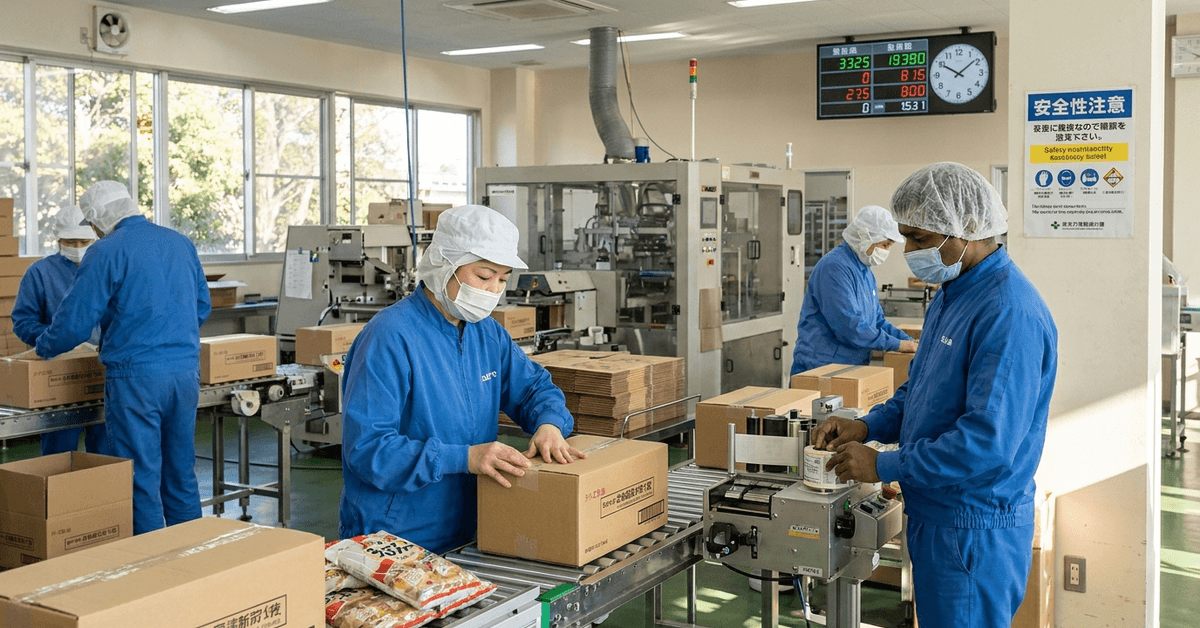
Applicants often do not require advanced education. Japanese language requirements are usually basic or conversational, making jobs accessible to non-natives.
Reliable Income and Stable Work
One key benefit is the predictable salary. Unlike commission-based roles, factory jobs typically provide steady monthly pay. Overtime hours can further boost earnings.
Simplified Hiring Process
Applying for factory jobs is usually straightforward. Most companies focus on punctuality and physical capability rather than lengthy interviews or complex resumes.
Major Cities for Factory and Packing Employment
Japan’s largest urban and industrial regions offer the strongest concentration of factory, warehouse, and packing jobs.
Opportunities vary by industry, shift type, language requirements, and local demand.
Tokyo
Tokyo and its surrounding prefectures provide roles in electronics, food processing, packaging, logistics, and light manufacturing. Many positions are located in suburban industrial zones.
Osaka
Osaka is known for factories producing plastic components, textiles, processed foods, and electronic parts. Its large transport network also supports warehouse and packing work.
Nagoya
Nagoya is a major center for automotive, machinery, and industrial manufacturing. Jobs may include assembly, inspection, packaging, and production support.
Other Cities
Fukuoka and Sapporo also offer steady manufacturing opportunities, although the number of openings may be lower than in Japan’s largest industrial centers.
Essential Japanese Language Skills
While some roles require little Japanese, knowing basic commands and safety words boosts hiring chances. Daily workplace conversations are simple and repetitive.
It’s common for companies to give task instructions in easy-to-understand language. Learning factory-specific terms like “yoko” (side) or “hazusu” (remove) is helpful.
Improving Your Japanese for the Job
Free online tools like Duolingo or NHK World’s Easy Japanese help speed up learning. Community language exchanges can provide useful practice for real job settings.
How to Search and Apply for Packing and Factory Jobs
Jobs are listed on many Japanese and international platforms. Some specialize in roles that welcome foreigners or require minimal Japanese skills.
Trusted Online Job Boards
- GaijinPot Jobs: Well-known for English-friendly listings.
- YOLO JAPAN: Focused on part-time jobs for non-Japanese speakers.
- Indeed Japan: Offers the largest database of factory openings.
Typing keywords like “factory,” “packing,” or “manufacturing” in English or Japanese on these sites can show up-to-date openings.
Recruitment Agencies and Direct Applications
Local agencies such as Hello Work (Japan’s public employment service) can match applicants with openings. Registering is simple and staff can help translate job requirements.
Approaching factories in person is still common in suburban and rural regions. Bringing a short Japanese resume (rirekisho) is often encouraged.
Typical Application Process
- Search for job postings on online platforms or through agencies.
- Prepare a basic Japanese or bilingual resume.
- Submit a short application form (online or in-person).
- Attend a short interview or initial site visit.
- Complete simple on-site skill or safety test (if required).
Many positions just need a willingness to learn and basic stamina.
Types of Packing and Factory Jobs Available
Manufacturing workplaces in Japan require a range of roles. They vary in skill demand, shift patterns, and physical requirements.
- Assembly line work: Repetitive tasks building products.
- Packing and sorting: Preparing goods for shipping or storage.
- Quality control: Checking items for defects or errors.
- Machine operation: Running and monitoring equipment.
Entry-level jobs focus on manual work, why they often suit people without technical backgrounds.
Hourly Pay and Benefits
Average pay starts around 1,000–1,300 yen per hour. Shift differentials and overtime may increase net income. Larger companies sometimes offer subsidized meals, transportation allowances, or dormitory accommodation for staff.
Key Requirements and Eligibility
Most factories look for punctuality, reliability, and a reasonable physical condition. Legal eligibility is crucial too.
Valid Work Visa Needed
Japan enforces strict work visa laws. Candidates need an appropriate visa, such as a Designated Activities, Student (with work permit), Spouse, or Technical Intern visa. Factories cannot offer full-time work to tourists.
Health and Age Criteria
Routine health checks may be required. Some companies may prefer applicants aged 18 to 55, depending on the physical aspect of the role.
Tips for Success: Landing and Excelling at the Job
Landing the job requires a focused application, while long-term success depends on reliability, teamwork, adaptability, and consistent performance.
- Arriving early gives a strong first impression.
- Wearing clean, simple clothes is usually expected at interviews or trial shifts.
- Preparing to answer questions about past work experiences, even unrelated ones, helps applications stand out.
- Asking about overtime, transportation, or breaks demonstrates seriousness.
Practical Tools and Useful Apps for Factory Workers
- LINE: This messaging app is critical for workplace communication.
- Google Translate: Useful for reading notices and instructions.
- Hyperdia: Helps with route planning and managing factory shifts in different cities.
- QR Translator: Useful for scanning factory manuals with instant translation.
Tracking schedules and saving important workplace vocabulary on your phone makes daily routines smoother.
Legal Rights and Safety in Japanese Factories
Worker protection laws are well established in Japan. Understanding your rights can help prevent misunderstandings.
Workplace Safety Standards
Employers must follow rules on breaks, work hours, and accident prevention. Safety training sessions are often provided in simple Japanese, so paying attention to instructions is important.
Support Resources for Foreign Workers
Public agencies like the Labor Standards Office or nonprofit groups can answer questions about contracts, wage disputes, or unsafe working conditions. The Japan International Training Cooperation Organization offers help for technical intern trainees facing challenges.
Conclusion
Packing and factory jobs offer a practical route to stable work in Japan. Accessible roles, clear application steps, and fair legal protections make them attractive for both locals and newcomers.
Mastering a few basic Japanese terms, using trusted job sites, and understanding legal rights all contribute to a smoother job search and work experience.
With focus, preparation, and a flexible mindset, candidates can thrive in Japan's dynamic manufacturing industry.