
A Best Buy credit card charges up to 30.74% variable APR the moment a deferred interest promotion expires. That single number, buried under flashy 0% financing banners, changes the math on every electronics purchase made with this card.
And the rewards? They come as store-locked certificates. Certificates that expire in 60 days. Miss that window and earned points vanish into nothing.
This article is for the shopper staring at a $1,200 laptop or a new TV, wondering if the Best Buy card is the smart financing play. If spending at Best Buy is a once-a-year event, not a monthly habit, keep reading.
The Deferred Interest Trap at 30.74% APR
The Best Buy credit card, issued by Citibank, comes in two versions: a store-only card and a Visa-branded card accepted anywhere. Both offer 0% financing periods of 6, 12, 18, or 24 months on qualifying purchases. That financing is the big draw.
But this is deferred interest, not waived interest. The distinction matters more than most product pages let on.
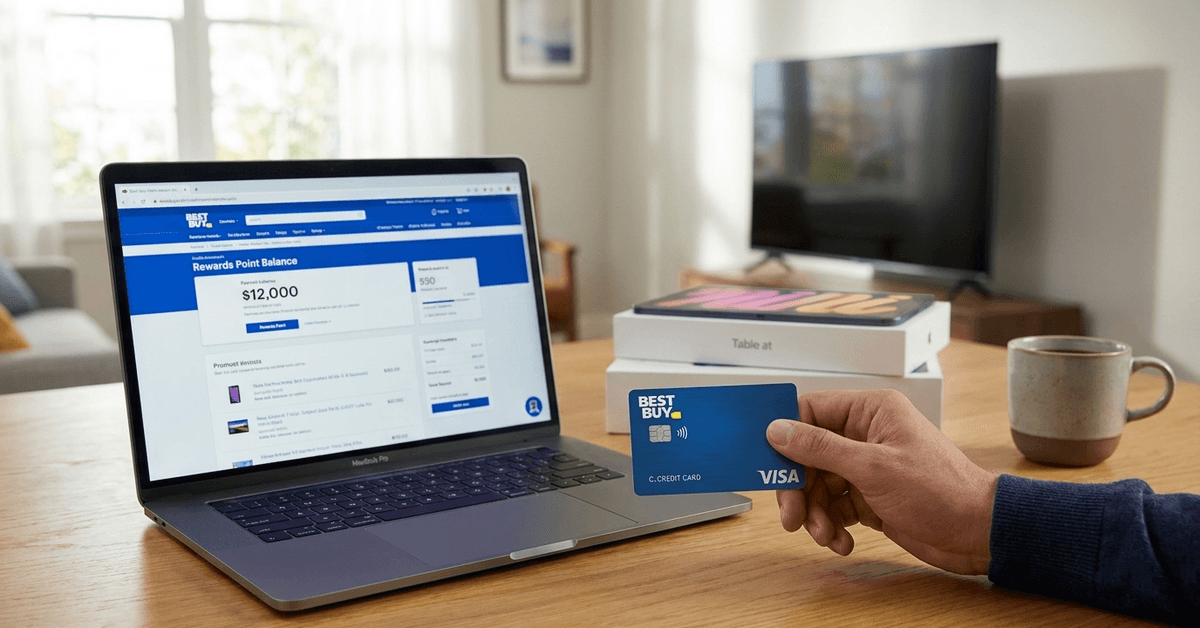
How Deferred Interest Works Against the Buyer
Say you put a $1,500 TV on the card with an 18-month 0% offer. If you pay $1,499.99 by month 18, you still owe that last penny. And that penny triggers retroactive interest on the entire $1,500 purchase, charged at up to 30.74% APR, going all the way back to the original purchase date.
I would avoid any deferred interest offer on the Best Buy card for purchases under $500, because the financing math stops working at that level.
A regular credit card with a true 0% intro APR on purchases (no deferred catch) gives you 15 to 21 months of breathing room without the retroactive penalty. The Citi Simplicity or Chase Freedom Unlimited both run true 0% intro periods on purchases as of 2026.
The Annual Fee Nobody Talks About
The annual fee ranges from $0 to $59, and Citibank decides based on your credit profile. Nobody picks their fee. A $59 annual fee on a store card sounds absurd until you realize it is the version some applicants receive without warning.
At $59 per year, you need to spend at least $1,180 at Best Buy just for the 5% rewards to cover the fee. That number does not account for the time value of locking rewards into store certificates.
Best Buy Credit Card Rewards: 5% Back Sounds Better Than It Is
The rewards program pays 5% back on Best Buy purchases (2.5 points per dollar). The first 14 days after account opening bump that to 10% back. On paper, 5% looks competitive.
The catch sits in how you collect.
Reward Certificates Expire in 60 Days
Points convert to $5 reward certificates once you hit 250 points. Those certificates expire 60 days after they are issued. If you are not browsing Best Buy every two months, earned rewards disappear.
Compare that to a card like the Citi Double Cash, which pays 2% back on everything as a statement credit. No store restriction. No expiration window. I think the 5% Best Buy rewards rate is a trap for anyone spending less than $2,000 per year at Best Buy.
A flat 2% cashback card on all purchases returns more usable value across a full year of spending, because the Best Buy card earns nothing outside the store (the Visa version earns just 1% elsewhere), and the 60-day certificate expiration eats into rewards for infrequent shoppers.
The Visa Version Earns Almost Nothing Elsewhere
The My Best Buy Visa card can be used anywhere. But it earns 1% back on non-Best Buy purchases. That rate trails nearly every general-purpose rewards card on the market in 2026.
Carrying this card as a daily driver makes no sense. A basic cashback card from Fidelity, SoFi, or Capital One pays 1.5% to 2% on everything with no annual fee and no certificate expiration clock ticking.
Store Card vs. General Rewards Card: A Side-by-Side
The comparison below puts the Best Buy store card against two popular alternatives.
| Feature | Best Buy Credit Card | Citi Double Cash | Chase Freedom Unlimited |
|---|---|---|---|
| Best Buy Rewards | 5% back (certificates) | 2% (statement credit) | 1.5% (points/cash) |
| Everywhere Else | 0% (store card) or 1% (Visa) | 2% | 1.5%–5% rotating |
| APR After Promo | 27.74%–30.74% | 18.24%–28.24% | 20.49%–29.24% |
| Annual Fee | $0–$59 | $0 | $0 |
| Reward Expiration | 60 days (certificates) | None | None |
The Best Buy card wins only for buyers who consistently spend $2,000 or more per year at Best Buy and redeem certificates within 60 days every single time.
Who Should Apply for the Best Buy Credit Card
Not every tech buyer benefits from this card. The financing and rewards structure suit a narrow profile.
Applicants who may get real value:
- Shoppers planning a single purchase of $799 or more who can pay it off before the deferred interest deadline
- Buyers who already spend at Best Buy monthly and will use certificates before they expire
- Anyone who receives the $0 annual fee version and has a second card for everyday spending
Applicants who should probably skip:
- Occasional Best Buy shoppers who visit once or twice a year
- Anyone who carries a balance past promotional periods
- Shoppers wanting flexible cashback they can use anywhere
- People who might receive the $59 annual fee version without a heavy Best Buy spending habit
The Hard Credit Inquiry Trade-Off
Applying triggers a hard inquiry on your credit report. The Visa version has a higher approval threshold than the store card.
Applying "just to see" can cost 5 to 10 points on your credit score for up to two years. Multiple store card applications in a short window compound that effect.
If the approval odds feel uncertain, checking pre-qualification tools (Citi offers one) before a full application saves the inquiry hit.
Making the Card Work If Already Approved
Cardholders who already have the Best Buy card can squeeze more value out of it with a few habits.
The financing works best when treated like a strict payment plan:
- Divide the purchase total by the number of promotional months and set up autopay for that exact amount
- Calendar the deferred interest deadline at least 30 days early to catch billing surprises
- Stack purchases during double-points events or holiday promos (Best Buy runs these around Black Friday and back-to-school season)
On the rewards side:
- Redeem certificates immediately after they appear in the account. The 60-day clock starts at issuance, not at notification
- Pair small reward certificates with open-box deals on BestBuy.com for better per-dollar value
- Points do not expire while the account stays open and active, so the risk is only at the certificate stage
Tax and Credit Report Considerations
Reward certificates count as purchase rebates for personal cardholders, so no tax reporting to the IRS applies. Business cardholders should verify this with a tax advisor.
Closing the account later reduces your total available credit, which raises your credit utilization ratio. If the card is one of your older accounts, closing it also shortens your average account age. Both changes can lower your credit score.
Questions People Ask About the Best Buy Credit Card
These are the searches that keep coming up around this card, answered with details not fully covered above.
- Q: Can I use the Best Buy store card at other retailers?
The store card works only at Best Buy and BestBuy.com. The My Best Buy Visa version works anywhere Visa is accepted, but earns just 1% rewards outside Best Buy. Two very different cards under one application process. - Q: What happens if I miss the deferred interest deadline by one day?
The full interest charges, calculated at up to 30.74% APR from the original purchase date, get added to your balance. Even a $1 remaining balance triggers the entire retroactive charge. There is no grace period extension once the promotional window closes. - Q: Does the Best Buy credit card have a sign-up bonus?
New cardholders earn 10% back in rewards on purchases made within 14 days of account opening. That is 5 points per dollar instead of the standard 2.5. The bonus applies to Best Buy purchases only and is automatic.
Conclusion
The Best Buy credit card works for a specific type of buyer who shops there often and pays on time. The 60-day reward certificate expiration punishes anyone who does not stay on top of redemptions.
A general cashback card paired with a true 0% intro APR offer covers the same ground without the deferred interest risk. For most people upgrading their home tech once a year, the boring cashback card is the better play.