
A lot of people looking for flexible work end up circling the same few options. Spark Driver keeps coming up, and for good reason.
The pitch is simple: deliver Walmart orders, get paid per run, work whenever. No boss, no set hours, no mandatory shifts on holidays you'd rather spend elsewhere.
I think the Spark Driver program is one of the more underrated gig options right now, specifically because Walmart's pickup infrastructure gives drivers a predictable starting point that apps like DoorDash can't always match.
If you're considering signing up in 2026, this is the breakdown you need before touching that application.
Does the Spark Driver App Actually Pay What It Claims?
Let's get the number out front. The raw data puts Spark Driver earnings between $15 and $25 per hour, which compares favorably against DoorDash ($12 to $22) and Uber Eats ($10 to $20).
Those aren't guaranteed rates, but they're a useful baseline.
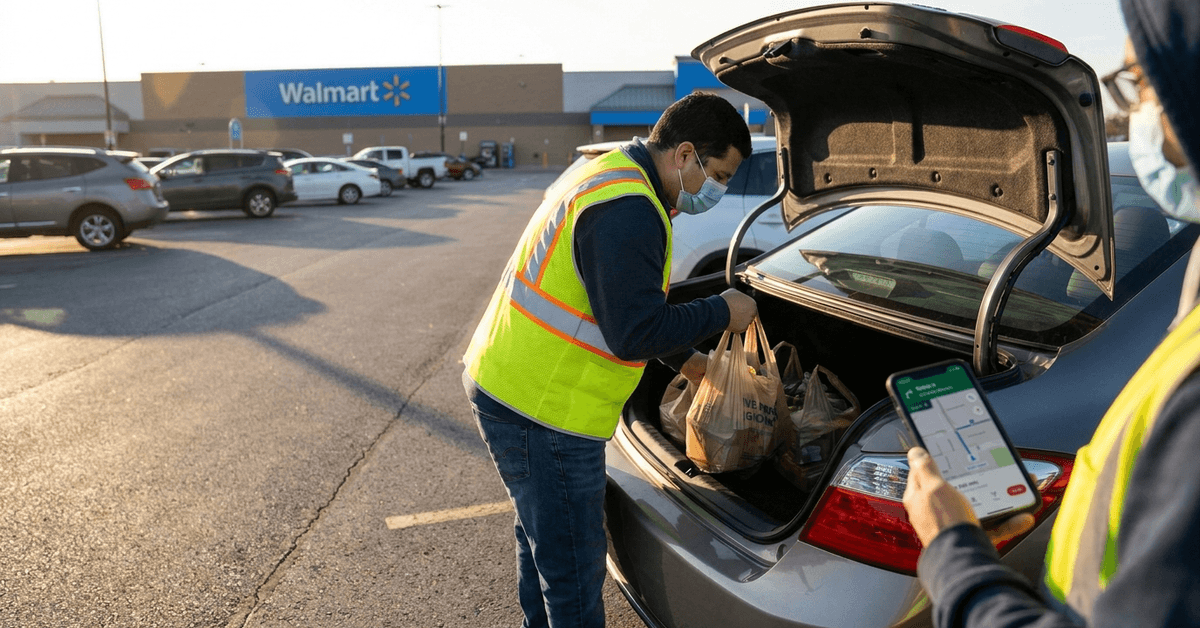
What makes Spark interesting is the payout transparency. Every delivery offer shows you the estimated pay and distance before you accept. Most gig apps make you guess. Spark doesn't.
Tips are also part of the picture. Drivers who communicate clearly and arrive on time tend to earn them consistently.
Some regions run bonus incentives tied to completing a set number of deliveries within a defined window, which can meaningfully push weekly totals higher.
Do Tips and Bonuses Actually Add Up?
I was skeptical about whether bonus windows translated to real extra income, but the structure makes sense: deliver 15 orders in a weekend window and unlock a flat bonus. That's a concrete system, not vague encouragement.
Tips are customer-controlled and unpredictable, but timely, friendly service is the clearest driver. If you're rude or consistently late, tips dry up fast.
How the Spark Driver Application Works Step by Step
The application is fully online, which removes the friction most traditional jobs add. No in-person interviews, no printed forms. That said, it's not a one-click process.
What You Need Before You Apply
The basics are non-negotiable:
- A valid driver's license
- Proof of auto insurance
- A functioning vehicle
- A working smartphone capable of running the Spark Driver app
Some regions ask for vehicle photos during verification. Have your documents ready before starting. Digging for insurance paperwork mid-application slows everything down.
Setting Up Your Profile
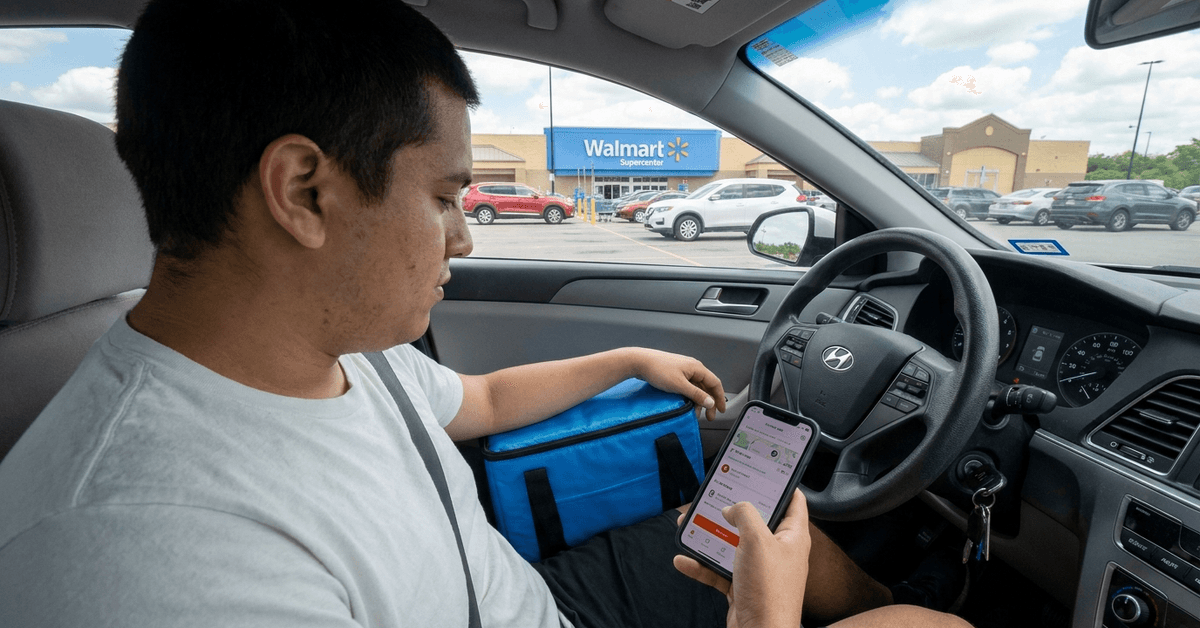
The official Spark Driver portal is where the process begins. You'll enter personal details, contact information, and upload documents. The interface varies slightly by region, but the core fields are consistent.
A valid email address and current phone number are required. Use accounts you actually check.
The Background Check: What It Covers and How Long It Takes
Every applicant goes through a background screening covering driving history and criminal records. This is non-negotiable for Walmart's compliance standards.
Results can take several days. There's no way to rush it. If your record has anything complicated, address it honestly during the process rather than hoping it won't surface.
After Approval: Setting Your Preferences
Once approved, the app shows available deliveries in your area. You can accept, skip, or wait for better offers. There's no penalty for passing on a job you don't want.
The app displays estimated earnings and distance for each run. That transparency is one of Spark's strongest practical advantages over competitors.
The One Thing I'd Tell Every New Spark Driver
I genuinely disagree with the popular advice to "just accept everything when you're starting out." The reasoning is usually that new drivers need to build their ratings fast. I think that's backwards.
Accepting low-paying, long-distance runs early on trains the algorithm to offer you more of them. A $6 delivery that takes 40 minutes is a bad trade even when your rating is zero.
I'd rather take fewer, better runs from day one and build a sustainable pattern than grind through bad offers hoping things improve.
The app shows you pay and distance upfront. Use that information.
Comparing Spark Driver to Other Gig Platforms in 2026
| Platform | Entry Requirements | Typical Earnings (Est.) | Payout Frequency |
|---|---|---|---|
| Spark Driver | License, insurance, background check | $15-$25/hr | Weekly |
| Uber Eats | License, vehicle, background check | $10-$20/hr | Instant/weekly |
| DoorDash | License, insurance, background check | $12-$22/hr | Daily/weekly |
Spark's entry bar is similar to DoorDash. The differentiator is pickup consistency. Walmart stores are permanent, staffed locations with organized pickup systems.
Restaurant pickups through DoorDash can mean waiting 15 minutes for food that isn't ready. That time cost is real money.
Some drivers run two or three platforms simultaneously and switch based on what's active in their area. That's a legitimate approach if you want to maximize hourly output.
Tax and Insurance: The Part New Spark Drivers Consistently Underestimate
Spark Drivers are independent contractors. That classification has direct tax consequences that are easy to ignore until April.
What Contractor Status Means for Taxes
No taxes are withheld from your earnings. You're responsible for tracking income and filing accordingly. The upside: mileage, fuel, phone costs, and vehicle maintenance can often be deducted.
A dedicated mileage tracking app like Everlance is worth the cost. Manually logging miles on paper rarely survives the pace of real delivery work.
Consulting a tax professional at least once, especially in your first year driving, can prevent surprises. The deductions available to gig workers are real, but only if you document them.
Insurance: Personal Coverage May Not Be Enough
Personal auto insurance covers personal driving. Delivery work sometimes falls into a gray zone, and some insurers won't cover accidents that occur during a commercial activity.
Check your policy explicitly. Some drivers add a commercial rider; costs vary by state and insurer.
Habits That Separate Consistent Earners From Occasional Ones
There's no formula that guarantees high weekly totals, but the patterns among drivers who earn consistently are pretty clear:
- Schedule around demand peaks: lunch hours, dinner windows, weekends
- Keep the vehicle clean and organized for faster drop-offs
- Watch app notifications for bonus delivery windows
- Use a real-time navigation app rather than relying on the Spark app's built-in routing
- Communicate with customers proactively if there's a delay
App glitches happen. Every platform has them. Keeping a secondary communication method available and staying calm when the app freezes prevents bad ratings from technical issues that aren't your fault.
Questions People Ask About Becoming a Walmart Spark Driver
Q: How long does it take to get approved after applying? The background check typically takes several days. Total approval time from application to first delivery access varies, but a week is a reasonable expectation. Some applicants report faster turnaround in high-demand zones.
Q: Can you drive for Spark and DoorDash at the same time? There's no rule against running multiple gig apps. Some drivers switch between them based on active demand in their area. The key is keeping your attention on whichever delivery you're actively completing.
Q: Does Spark Driver work in rural areas? Rural regions have fewer total orders, but the deliveries that exist often cover longer distances, which can mean higher per-run payouts. Volume is lower, but average earnings per accepted offer may be comparable to busier zones.
Q: What happens if I decline too many deliveries? Spark does track acceptance rates, but there's no immediate penalty for being selective. Drivers who maintain good ratings and respond to offers regularly tend to see more consistent offer volume over time.
Q: Do I need a specific type of vehicle to apply? A functioning, insured vehicle is the requirement. There's no vehicle age cutoff published at the platform level, though your insurance provider may have conditions tied to vehicle year or condition.
Conclusion
Spark Driver offers real earning potential for people who treat it like a system rather than a lottery.
Selective acceptance, tax preparation from day one, and picking high-demand windows separates drivers who make good money from drivers who complain the platform doesn't work.
The app gives you more information than most gig platforms do. The question is whether you use it. If you're serious about flexible income in 2026, there are fewer lower-friction starting points than this one.