
Thinking about becoming a delivery driver with Uber Eats? Whether you’re searching for flexible income, a side hustle, or just curious about the process, understanding how this platform works can make all the difference.
This guide explores the ins and outs of delivering with Uber Eats, focusing on the realities, requirements, and how you might make delivery work for you. There’s a lot to consider, and perhaps, not everything is as straightforward as it may seem at first glance.
What Is Uber Eats and How Does Delivery Work?
Uber Eats is a food delivery service connecting customers with local restaurants. As a courier, you’d use the Uber Eats app to receive delivery requests, pick up orders, and bring them directly to customers’ doors.
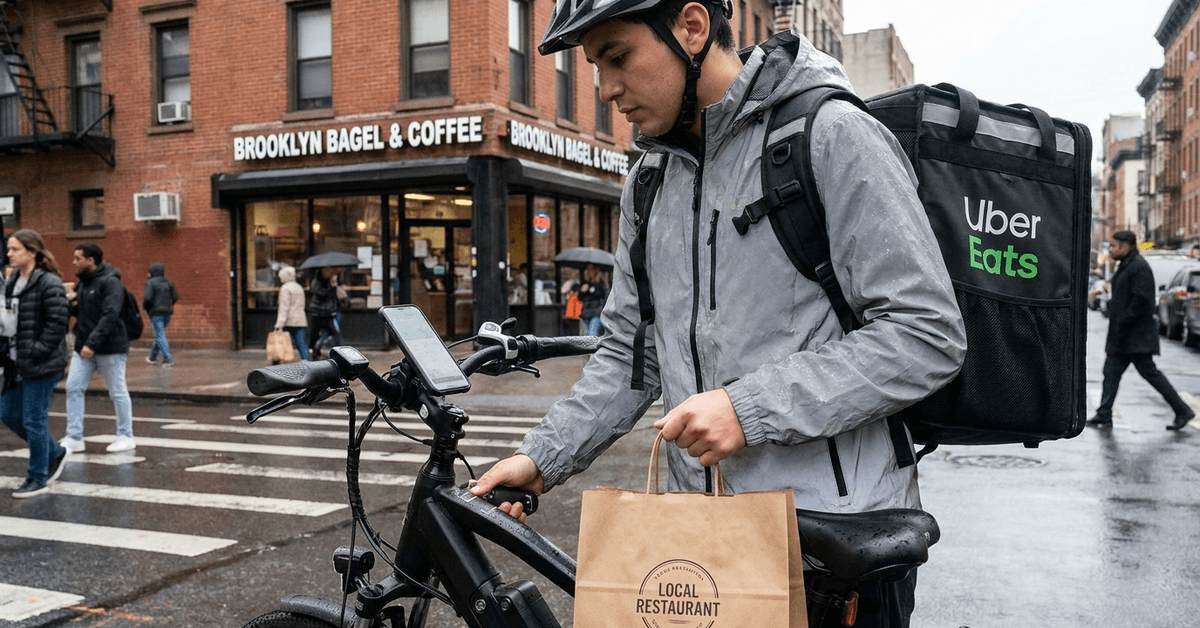
The flexibility in working hours is often a major draw—some people prefer early mornings, while others focus on weekends or evenings.
Who Can Deliver with Uber Eats?
The requirements for signing up as a courier can differ depending on your location, but generally, you must meet certain criteria.
Age minimums, vehicle standards, and document checks are part of the process. Sometimes, people underestimate the administrative side—it really does help to read the fine print.
General Eligibility
Before signing up, applicants should confirm that they meet the basic age, identification, and transportation requirements in their area. Local rules can vary, so checking the latest requirements helps prevent delays during registration.
- Must be at least 18 or 19 years old (varies by region)
- Hold a valid driver’s license or government ID
- Own or have access to a car, scooter, or bike (vehicle rules differ)
- Complete background and, in some places, driving record checks
Vehicle Requirements
The type of vehicle you use can affect the documents, insurance, and eligibility rules that apply. Requirements may also differ between cities and delivery methods.
- For cars: Typically, vehicles need to be newer than 20 years old
- For bikes: Most cities allow standard bicycles—sometimes even e-bikes
- Scooters: May require insurance and specific licensing in some places
How to Get Started: The Registration Process
The sign-up process for Uber Eats is primarily digital. Filling out personal info and uploading appropriate documents takes just a few minutes, but wait times for approval can be anywhere from hours to a few days. Occasionally, people report delays—sometimes it just takes patience.
Account Creation
Start by downloading the Uber Eats app or visiting the registration portal online. Enter your basic personal details, contact information, and the city where you plan to work. Review your information carefully before continuing to the next step.
Document Uploads
Upload a valid government-issued photo ID to verify your identity. Depending on your delivery method and location, you may also need vehicle registration or insurance documents. Make sure each document is clear, current, and easy to read.
Background Checks
Provide the information required for the background screening process. Processing times can vary depending on the location and the information being reviewed. Once the check is complete, you will receive an update about your application status.

Earnings: How Much Can You Make Delivering with Uber Eats?
Perhaps the most common question—how much does Uber Eats actually pay? The answer isn’t simple. Earnings fluctuate due to factors like order volume, time of day, and city.
How Pay is Calculated?
Pay generally includes a base fare for each delivery, which can reflect factors such as distance, estimated time, and pickup or drop-off details.
Additional earnings may come from surge pricing, promotions, bonuses, or streak incentives during busy periods. Drivers also keep 100% of eligible customer tips added to their deliveries.
Typical Earning Ranges
Most couriers report hourly rates ranging from $10 to $25, sometimes more during peak hours. But it’s worth saying—high earnings are never guaranteed.
Expenses like fuel, bike maintenance, and occasional parking tickets can eat into profits, so personal results may vary.
Tips to Increase Your Uber Eats Delivery Income
Improving your take-home pay usually involves a mix of smart timing and hustle. The app offers some data insights, but sometimes success comes from trial, error, and real-world experience.
- Focus on busy lunch and dinner periods, when order demand is often higher.
- Consider working on weekends, event days, or rainy periods, which may increase delivery volume.
- Stay near restaurant-dense neighborhoods to reduce time spent waiting for orders.
- Use app hotspots as a guide, but remember that other couriers can see them too.
- Accept stacked or multiple deliveries when they make sense for the route and timing.
Technology, Gear, and App Features
The right tools can make Dos and Don’ts—sometimes it’s debated, but investing in basic gear (like an insulated bag) can be worthwhile.
The Uber Eats app has features that support better navigation and efficient order management, though updates and reliability can be hit or miss.
Gear Basics
An insulated delivery bag helps keep food at a suitable temperature and may be required in some cities. A phone mount can make navigation easier while keeping your hands free when appropriate.
Carrying a portable power bank is also useful for preventing battery issues during longer delivery periods.
In-App Features
The Uber Eats app includes live order tracking and navigation tools to help couriers manage active deliveries.
Drivers can review completed trips and earnings through the app’s dashboard. Support chat may also be available for order-related problems, although availability can vary by region.
Managing Delivery Safety and Well-being
Delivering food, especially in urban areas, presents physical and safety considerations. Sometimes, it’s more tiring than people expect. Some neighborhoods require more vigilance, especially after dark.
Safety Tips
Stay aware of your surroundings and traffic conditions while making pickups and drop-offs. Lock your bike or vehicle whenever you leave it unattended, even for short periods.
Following traffic laws and avoiding unnecessary risks can help reduce accidents and other problems.
Health Considerations
Carry water and light snacks to maintain energy and hydration during longer shifts. Dress appropriately for heat, rain, cold, or other weather conditions you may encounter. Taking regular breaks can also help reduce fatigue and keep you focused while delivering.
Legal, Tax, and Insurance Considerations
Some people skip this part, but tracking your income and expenses is essential. In most locations, Uber Eats couriers are independent contractors—not employees. This changes how taxes and insurance apply.
Understanding Tax Obligations
Delivery income generally needs to be reported for tax purposes, depending on local rules. Tracking eligible expenses such as fuel, equipment, and repairs may help when calculating taxable income.
Tools such as TurboTax or QuickBooks Self-Employed can make recordkeeping and tax preparation easier.
Insurance Issues
Standard personal vehicle or bike insurance may not always cover commercial delivery activity. Couriers should check with their insurer to understand available coverage options and any additional requirements.
Uber Eats may also offer limited accident coverage in some countries, but the terms can vary by location.
Conclusion
Delivering with Uber Eats can offer flexible earning opportunities for people who value control over their schedules. Understanding the requirements, expenses, safety considerations, and local rules can help you decide whether it fits your needs.
Earnings can vary significantly, so planning around busy periods and tracking costs is important. With realistic expectations and good preparation, Uber Eats can be a practical option for part-time or supplementary income