
Working on a cruise ship has become a dream for many seeking travel and career adventure. If you have ever wondered about trading your nine-to-five for ocean views, you might be surprised at the opportunities.
This guide walks through what’s really needed, the qualifications—plus a few realities that applicants sometimes miss. It's especially useful for early-career job seekers, hospitality professionals, or anyone curious about the path to shipboard employment.
Why Choose a Cruise Ship Job?
For many, the draw is obvious: room, board, global travel, and an international team. Yet, there are other perks that people often forget about, like affordable living and steady shifts during the contract.
And, admittedly, not everyone comes for the sunrises at sea—some are more interested in career progression or saving money in a unique way.
General Requirements for Working on Cruise Ships
While requirements vary depending on the role and cruise line, there are some essentials most employers share. It’s often assumed that the process is tough, but with the right baseline qualifications, many first-timers do break in.
Minimum Age and Legal Eligibility
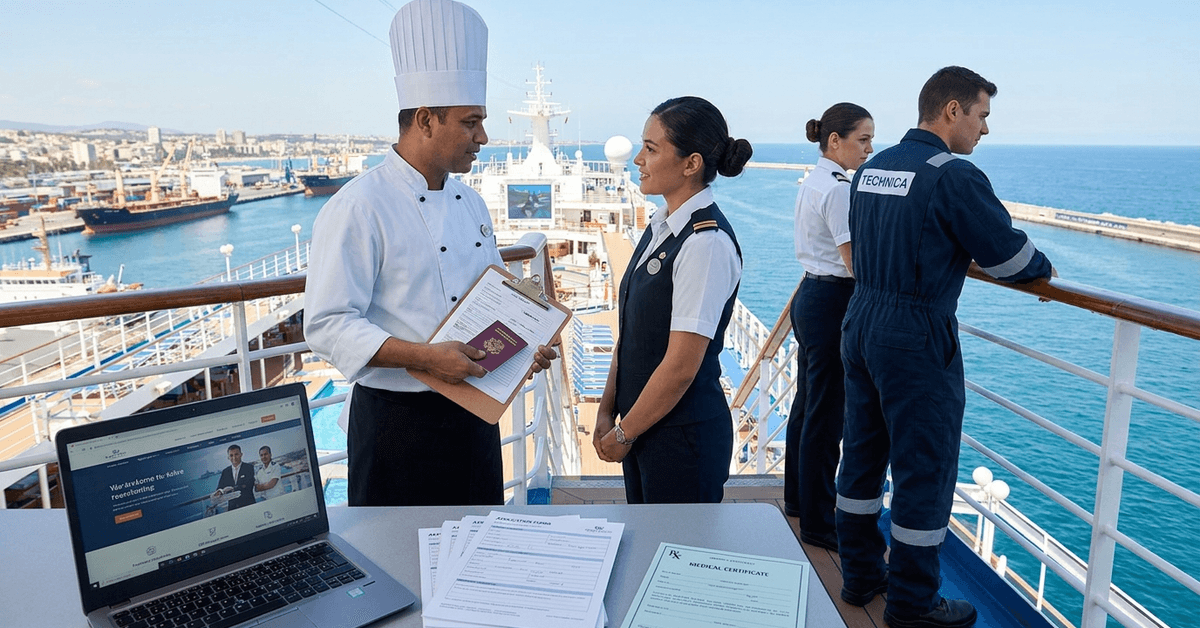
Most lines set the minimum age at 21, though for some positions it might be 18. Legal eligibility to work internationally—usually shown via passport and sometimes a seafarer’s visa—is expected.
Language Skills
English is the default on most ships, with additional languages seen as a real plus. Not every role requires fluency, but confident communication tends to open more doors.
Medical and Physical Fitness
The job can be physically demanding. A certified medical examination proves you’re fit for work at sea. This assessment looks at vision, hearing, stamina, and overall health, rather than just paperwork.
Background Checks
Routine criminal background checks and references may be required. These checks serve to reinforce passenger safety policies, and often, minor infractions in the past may not necessarily exclude someone.
Work Experience and Certifications
Previous hospitality or relevant customer-service experience is often requested for guest-facing roles. However, entry-level opportunities like housekeeping or utility might consider applicants with less formal experience.
Popular Cruise Ship Job Categories
Cruise ships operate almost like floating cities. Roles span everything from hospitality to engineering, from entertainment to deck crew. Here are a few of the broad departments:
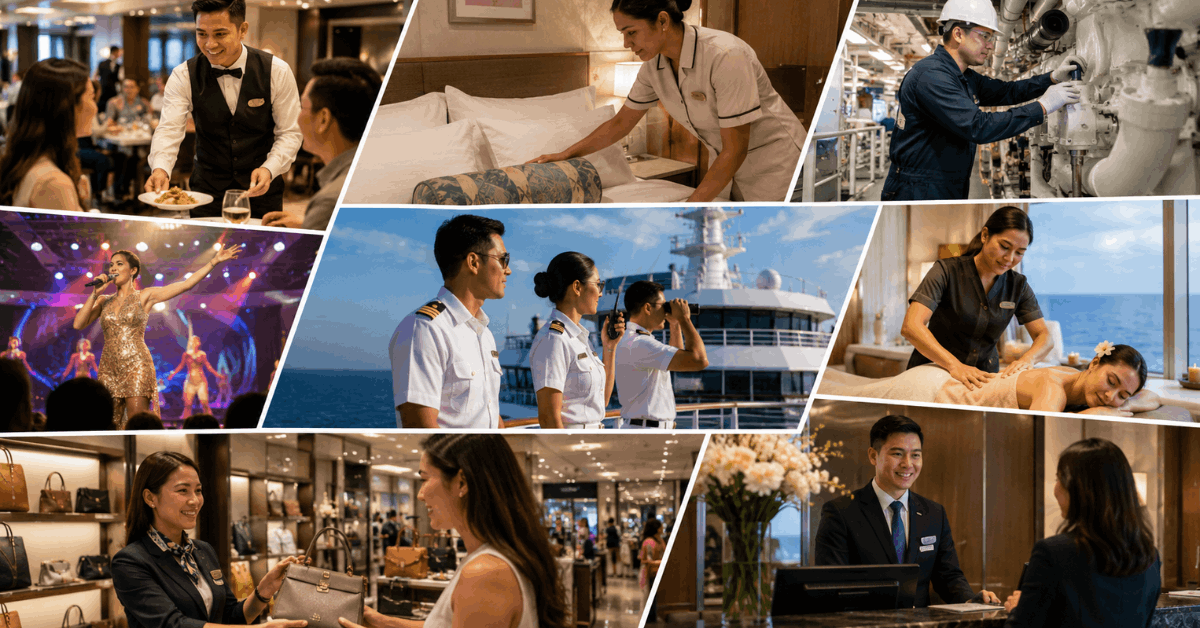
- Food and Beverage: Servers, bartenders, galley staff
- Housekeeping: Cabin stewards, cleaners
- Deck and Engine: Technical and navigation staff
- Entertainment: Performers, kids’ club attendants, hosts
- Spa and Fitness: Beauticians, fitness trainers
- Retail: Shipboard shops and boutiques
- Administration: Pursers, reception, HR on board
How to Apply for Cruise Ship Jobs?
The application process may feel daunting at first, especially since most hiring is done through specialized channels. The following steps are commonly found across major cruise lines:
Researching Cruise Lines and Agencies
Most major lines, like Carnival, Royal Caribbean, and Norwegian, have dedicated careers pages. Some jobs are only listed via approved hiring partners or agencies. Checking their official websites is usually the safest start.
Preparing a Relevant Resume and Cover Letter
Unlike traditional land-based jobs, cruise resumes benefit from highlighting adaptability and customer-focused skills. If you have multicultural experience or second languages, referencing them helps. Specific hospitality or maritime experience should be easy to spot at the top.
Online Application Submissions
Online systems are standard. Applications may ask for detailed availability, travel history, and even references right away. Applicants sometimes worry about slow responses—waiting is, unfortunately, part of the process.
Screening Interviews
Shortlisted applicants are typically contacted for telephone or video interviews. These focus on work ethic, communication, and flexibility—sometimes hypothetical questions about handling passenger dilemmas, too.
Contract Offers and Pre-Boarding
Candidates who move forward receive employment contracts with extensive pre-boarding instructions. These usually include health checks, certifications (like STCW safety training), and visa documentation requirements.
Key Certifications and Safety Training
All cruise ship employees must complete basic safety training, most commonly the Standards of Training, Certification, and Watchkeeping (STCW). This course covers emergency drills, firefighting, and first aid—essentials to keep the team and guests secure at sea.
- STCW Certification: Mandatory for nearly every shipboard role
- Cruise-Specific Training: Customer service, environmental compliance
- Role-Specific Skills: Barista, sommelier, kids’ care, spa therapies
Tips to Improve Your Chances
It’s not uncommon to feel lost during the process, particularly when emails go unanswered. It’s important to stay attentive to detail and be ready for some waiting. Here are a few actionable suggestions:
Customize Every Application
Generic applications stand out—but for the wrong reasons. Demonstrating awareness of each company, its clientele, or routes shows preparation and genuine interest.
Build Skills that Stand Out
Food safety, guest service certificates, or even basic first aid show initiative. Cruise lines appreciate evidence that a candidate can learn fast and deal with unique challenges.
Network with Experienced Crew
Online forums, LinkedIn groups, or job-specific social circles can lead to referrals. Personal stories from crew members can also give a reality check that’s sometimes missing from job ads.
Patience Pays Off
Recruitment sometimes stretches over several months. Being flexible about role or route increases the odds of landing a contract sooner. Some people end up in a ‘pool’ and get the call when there’s a last-minute vacancy.
Legal and Tax Considerations for Cruise Ship Employees
Financial matters are important to research in advance. Being paid in USD or Euros, for instance, comes with specific tax implications that depend on both your nationality and the company’s home base.
Visas and Work Permits
Depending on the itinerary and your citizenship, C1/D and Schengen visas might be needed. Some companies assist with paperwork, while others expect recruits to arrange documents independently.
Tax Residency and Obligations
Seafarers often face complex residency rules—sometimes, time spent outside your home country creates tax benefits, but this shouldn’t be assumed. Consulting a specialist or your country’s tax office is usually the safest step here.
Insurance Matters
Medical insurance is typically included for contract periods, but personal travel insurance for time off between contracts can be wise. Unfortunately, gaps sometimes surprise new crew members.
Common Mistakes First-Time Applicants Make
Many first-time applicants overlook important details that can delay or affect their chances of getting hired. Knowing these common mistakes can help you prepare more confidently and avoid unnecessary setbacks.
- Underestimating contract length—some roles require 6-9 months at sea with few breaks
- Missing application deadlines
- Not preparing for the reality of shipboard life—work can be physical, long, and social
- Ignoring documentation or deadlines for safety training
- Assuming salaries are similar to land; sometimes after-tax/net pay feels lower, but costs are minimal
FAQs on Getting Hired for a Cruise Ship
Before applying, it's normal to have questions about experience, contracts, and eligibility. These quick answers cover some of the most common concerns from first-time applicants.
- Do you need experience? Not always. Entry-level jobs exist, but experience in hospitality or customer service helps a lot.
- How long do contracts last? Average contract lengths range from 4 to 9 months. Short contracts are rare, but sometimes possible for substitutes.
- Are jobs open to all nationalities? Most ships are highly international, but visa eligibility and language skills matter.
Conclusion
Cruise ship jobs can offer travel, steady work, and valuable international experience. The hiring process may take time, but preparation, flexibility, and the right documents can improve your chances.
Applicants should understand contract length, physical demands, and legal requirements before accepting an offer. With realistic expectations, shipboard work can become a rewarding step in your career.