
Puerto Rico offers a unique tapestry of heritage and daily experiences that reflect a vibrant blend of influences.
This in-depth exploration aims to shed light on aspects of cultural identity, traditions, and the overall quality of life in this Caribbean destination.
While perhaps not as widely discussed as other parts of the region, Puerto Rico’s history and lifestyle are worthy of attention, especially for those curious about cultural encounters or relocation possibilities.
Why Puerto Rico’s Cultural Heritage Stands Out?
Centuries of colonization, migration, and resilience have shaped Puerto Rico’s social fabric. Today, evidence of Spanish, Taíno, African, and American influences appear everywhere from architecture to language, often blending in subtle, intriguing ways.
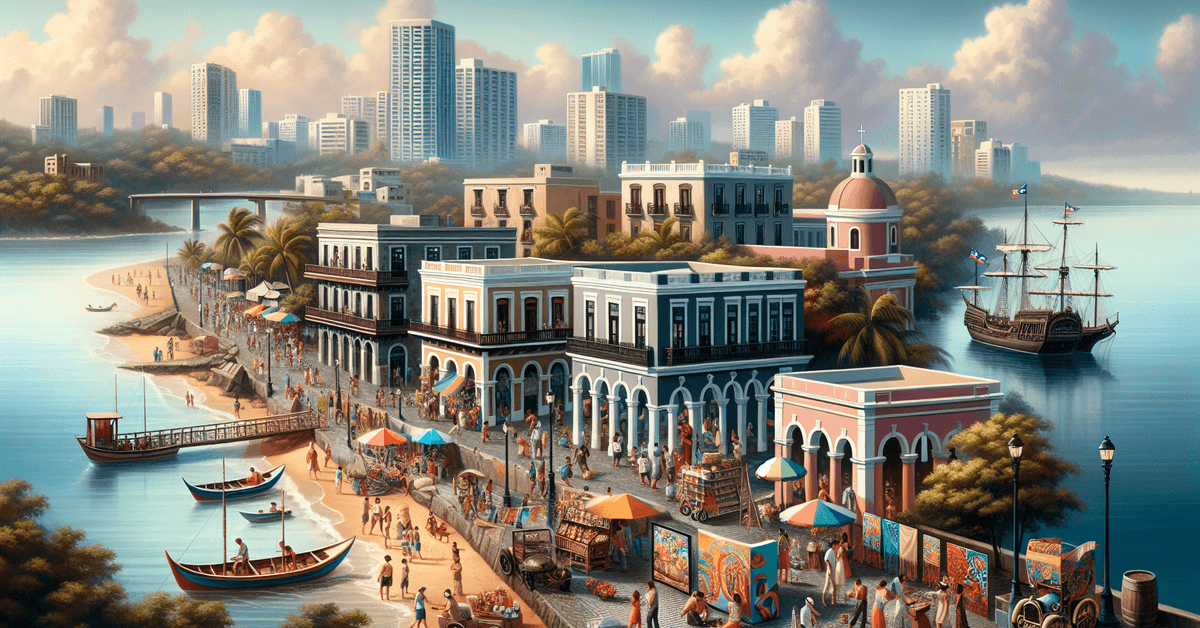
This mosaic is especially visible in Old San Juan, where pastel facades and cobblestone streets evoke distant times despite their modern context.
A Tapestry of Traditions
It’s interesting how many local customs endure, from lively festivals to craftwork. The annual Fiestas de la Calle San Sebastián is perhaps the most famous, drawing locals and tourists for days of music and parades.
Yet smaller village fiestas, such as patron saint celebrations, tell different stories—a reminder that Puerto Rican culture can feel both grand and intimate, all at once.
The Power of Language and Music
Most Puerto Ricans grow up bilingual, switching between Spanish and English depending on context.
This reflects in daily communication and in song lyrics, especially within genres like reggaetón or salsa.
Live music is commonplace in plazas and bars. Even if you’re just passing through, the rhythm is impossible to miss.
Art and Cuisine: Living Cultural Expressions
Local artistry ranges from street murals to intricate mask-making, especially in towns like Loíza, where African influence is pronounced.
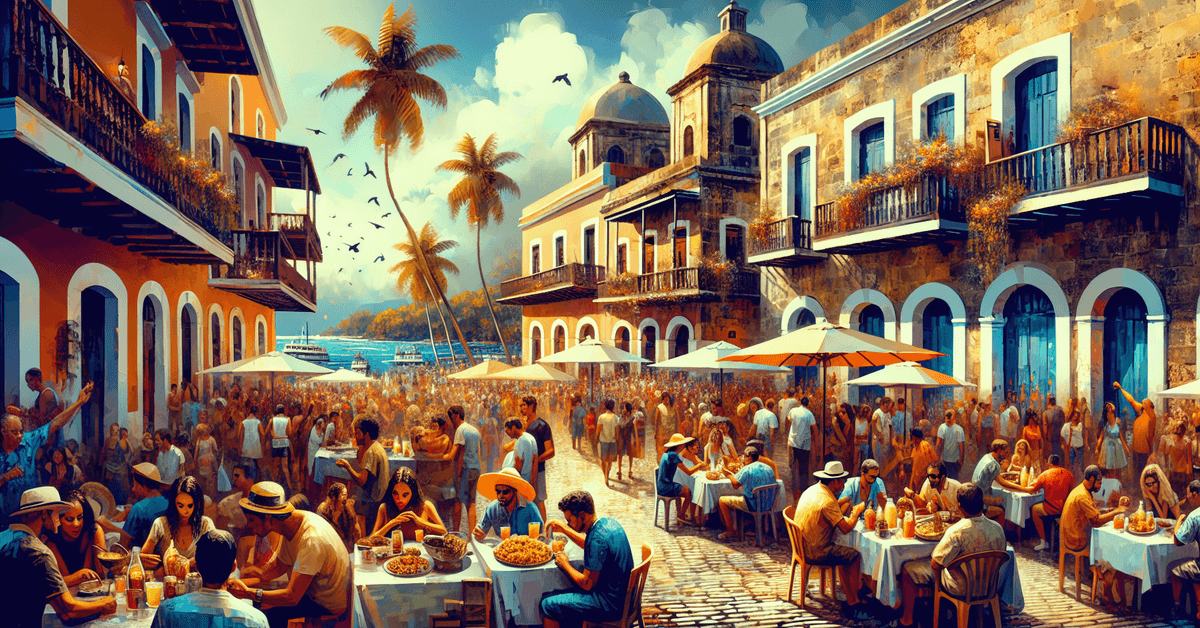
Puerto Rican food tells another story—arroz con gandules, mofongo, and lechón asado are iconic dishes. Yet, variations emerge from family to family, making every shared meal slightly distinct.
Understanding Puerto Rico’s Quality of Life
The notion of quality of life includes elements like healthcare, education, housing, work, and overall happiness.
Puerto Rico’s blend of tropical climate, friendly communities, and modern infrastructure offers a unique setting, though the picture is not entirely one-sided.
Factors like economic uncertainty and recovery from natural disasters also shape daily life.
Healthcare and Well-Being
The healthcare system is a mix of public and private providers. Major cities offer comprehensive services, with reputable hospitals and clinics.
That said, access in rural areas can be a bit more limited, reflecting ongoing challenges but also the resilience and resourcefulness of the island population.
Cost of Living: Affordability with Variation
Living in San Juan versus a smaller coastal town brings noticeable differences in cost. Groceries, housing, and utilities are generally affordable compared to U.S. mainland cities, though some items—especially imported goods—can be pricey.
Many residents prioritize spending on family gatherings or local events, which remain a central part of daily enjoyment.
| Cost Item | San Juan (Urban) | Ponce (Coastal) |
|---|---|---|
| Rent (1-bed apt) | $550-$950 | $400-$750 |
| Utilities (monthly) | $100-$160 | $85-$130 |
| Groceries (basic) | $200-$280 | $170-$240 |
Work and Education Opportunities
Puerto Rico’s universities and colleges, like the University of Puerto Rico, attract students from across Latin America.
The job market covers a range of sectors, with tourism, pharmaceuticals, and technology steadily growing.
Remote work opportunities are increasing, potentially making life here even more attractive for some.
Safety and Community
Most neighborhoods are quite welcoming, with a strong sense of community. There are areas—especially in urban centers—where petty crime exists, as in most destinations.
Most visitors quickly notice how helpful and welcoming people are to newcomers or travelers. It may not always feel seamless, but the sense of belonging is palpable for many.
Natural Environment and Everyday Joys
Puerto Rico’s lush landscapes and warm weather offer an impressive playground for outdoor enthusiasts.
Whether one is into hiking in El Yunque Rainforest, swimming at Flamenco Beach, or just wandering through mountain towns, the variety is refreshing.
Perhaps because of these natural benefits, many locals cherish time outdoors with family and friends.
It’s not just about activities, but an overall attitude toward life that values leisure and connection.
Daily Routines and Leisure Activities
Mornings can be surprisingly lively, with small bakeries filling up early for café con leche and pan dulce.
Afternoons often slow down, especially in smaller towns, as the midday sun prompts a break. Local festivals, neighborhood baseball games, and Sunday picnics are just a few ways that people make the most of their environment.
Challenges and Adaptability
While life in Puerto Rico comes with many perks, challenges persist. The island faces occasional power outages and, in recent years, has worked to recover from hurricanes and economic shifts.
Not everyone experiences these factors equally—some adapt quickly, while others find the uncertainty daunting.
But it seems fair to say that communal resilience remains a constant theme, with neighbors looking out for each other and finding solutions where they can.
The Impact of Migration and Identity
Migration, both to and from the mainland US, shapes family structures and outlooks. Some families move abroad for opportunities, while others return, bringing new perspectives.
This back-and-forth sometimes introduces tension about cultural identity, but it also enriches the local conversation about what it means to be Puerto Rican, today and tomorrow.
Cultural Preservation: Museums, Sites, and Organizations
Institutions such as the Museo de Arte de Puerto Rico and the Instituto de Cultura Puertorriqueña play crucial roles in preserving history and supporting the arts.
Numerous community-driven organizations also promote heritage through workshops, exhibitions, and archives.
Even passing by a local plaza, it’s easy to encounter an art show, craft market, or music performance—opportunities to step back in time, even if for just a moment.
- Museo de Arte de Puerto Rico
- Instituto de Cultura Puertorriqueña
- Discover Puerto Rico
Tips for Exploring Puerto Rico
- Learn basic Spanish phrases: It helps with daily interactions and local connections.
- Explore beyond San Juan: Smaller towns show a different side of the island.
- Try traditional food locally: Family-run spots often offer the most authentic experience.
- Check living costs by area: Prices vary a lot between urban and smaller towns.
- Stay aware of local conditions: Weather and infrastructure can affect daily routines.
Closing Thoughts on Life and Legacy
Navigating Puerto Rico’s deep heritage and everyday realities is an ongoing journey. For some, the mixture of warmth, challenge, and cultural pride makes life here deeply fulfilling.
For others, the drawbacks may stand out more. Either way, Puerto Rico’s story is far from static—it’s being rewritten every day by the people who call it home, no matter where they are on the island or beyond.
For those considering a visit or even a more permanent move, exploring Puerto Rico’s culture and quality of life can offer both inspiration and insight into the complexities of modern Caribbean living.
Curious readers may want to check out guides on living in Puerto Rico or discover more about Latino cultures in the Caribbean for further perspective.