
Scrolling through Townwork listings at 2 AM, debating if your Japanese is good enough for retail. That panic is normal when you're a foreign student hunting for TSUTAYA jobs.
The stores look calm. Organized shelves, soft lighting, people reading manga in the café corner. Working there seems like the dream part-time gig.
But TSUTAYA in 2026 is a different animal than the rental empire it was five years ago. The job itself has changed, and hardly anyone writing about TSUTAYA jobs online has caught up.
This guide is for the foreign student on a visa, budgeting hours and wondering if a bookstore gig is worth the effort.
What TSUTAYA Looks Like as a Workplace Right Now
The chain still has massive name recognition across Japan. Hundreds of locations, books on every shelf, and those familiar blue-and-yellow signs. But the business model has been quietly shifting for years, and that shift changes the kind of work available.
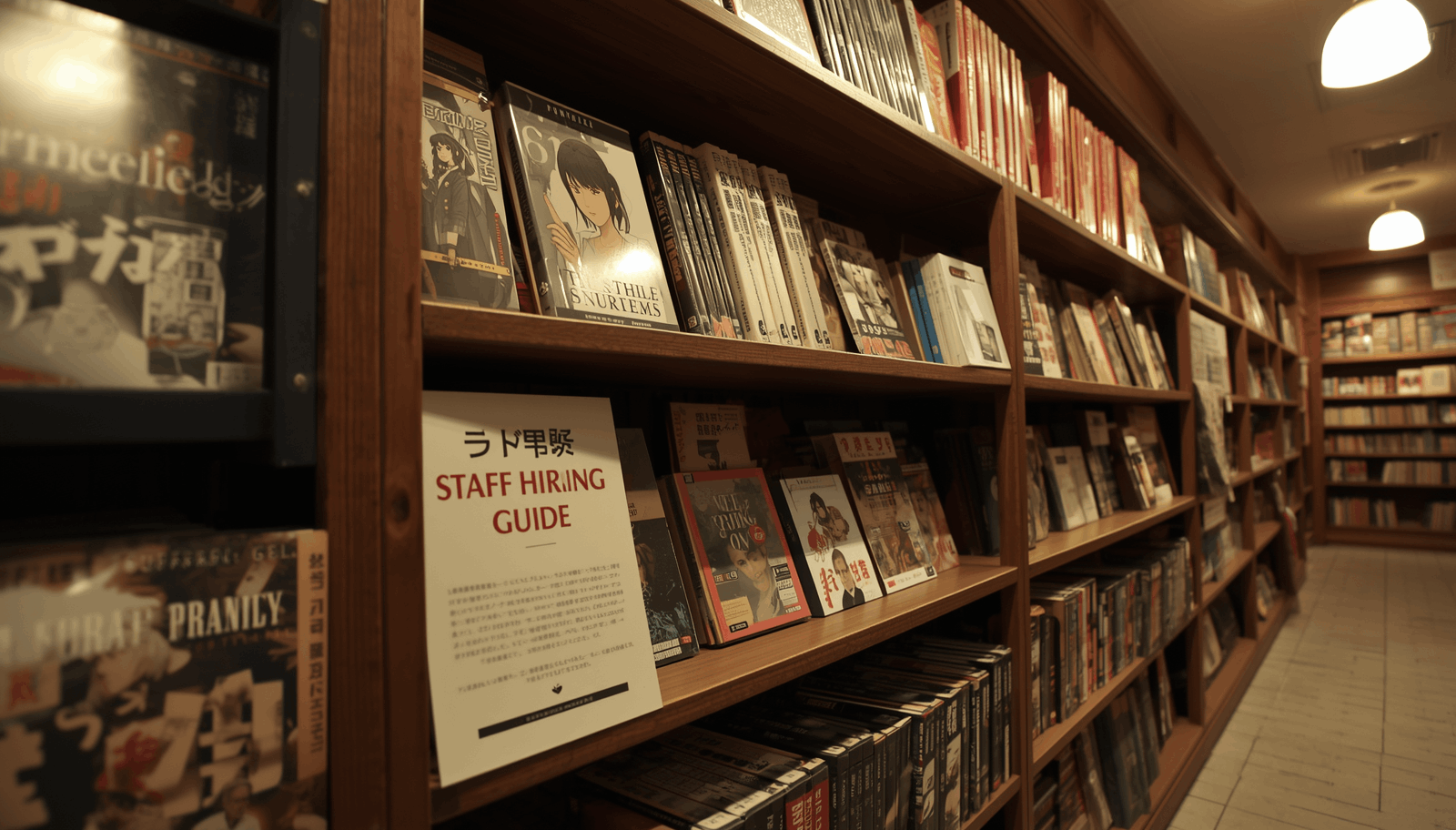
DVD and Blu-ray rentals used to be the core of TSUTAYA. Entire floors were dedicated to them. Streaming killed that. Stores across Japan have been shrinking their rental sections or dropping them entirely.
Some locations converted rental floors into café lounges, co-working spaces, or expanded book sections.
So what does that mean for someone looking for a job? The rental counter staff position still exists at certain branches, but it's disappearing. Café and lifestyle roles are growing fast.
The TSUTAYA you'd work at today looks more like a bookstore-café hybrid than a rental shop.
The Shift Toward Café and Lifestyle Roles
Larger TSUTAYA locations now run full café operations: espresso drinks, pastries, seating areas where customers read purchased books.
Staff at these locations need food-handling basics and drink preparation skills, which is a different ask than shelving DVDs.
I'd argue this shift is good news for foreign students, since café roles require less complex Japanese than explaining late-fee policies at the rental counter. Drink orders follow a pattern. The keigo scripts are shorter.
Store Staff Still Runs the Floor
The classic store staff (販売スタッフ) role is the most common position.
Shelving books, tidying displays, handling checkout, answering customer questions about where to find a specific manga volume. Communication happens constantly, but the questions tend to repeat.
One thing nobody mentions: the physical demand. TSUTAYA shifts mean standing for the full duration, usually 4 to 5 hours for part-timers. Those heavy manga volumes add up when you're restocking an entire section.
TSUTAYA Job Types and What Each One Pays
Different roles come with different expectations, and the hourly pay reflects that. A quick comparison helps sort out which position fits your schedule and language level.
| Role | Typical Hourly Wage (Tokyo) | Japanese Level Needed | Physical Demand |
|---|---|---|---|
| Store Staff (販売スタッフ) | ¥1,150 – ¥1,250 | Conversational+ | High (standing, lifting) |
| Rental Counter Staff | ¥1,100 – ¥1,200 | Intermediate+ (explaining policies) | Medium |
| Café Counter Staff | ¥1,100 – ¥1,200 | Basic conversational | Medium |
| Back Office / Inventory | ¥1,050 – ¥1,150 | Reading ability needed | Low to medium |
Urban locations like Shibuya or Shinjuku branches tend to pay at the higher end, while suburban stores stay closer to the prefectural minimum wage.
Back Office: The Hidden Option
Some TSUTAYA stores have inventory and logistics roles that don't require customer interaction.
These positions involve ordering stock, processing shipments, and updating digital records. The catch? They're rare and usually go to longer-tenured staff.
But if your spoken Japanese is weak and your reading is stronger, asking about back office openings during the interview can be a smart move.
Management Track: Is It Realistic?
Supervisor and team lead positions exist. Staff who stay for a year or more and show initiative may get considered. But full-time management spots at TSUTAYA are competitive, and priority usually goes to Japanese nationals or permanent residents.
A foreign student on a part-time visa probably won't reach this level during their studies, and that's worth knowing upfront so expectations stay realistic.
The Application Process for TSUTAYA Jobs
Getting hired follows a fairly standard Japanese part-time hiring process, but a few TSUTAYA-specific details trip people up. Most listings appear on Townwork and Indeed Japan, though some branches post openings on paper inside the store itself.
The application requires a 履歴書 (rirekisho), which is a Japanese-format resume. Some locations still prefer handwritten versions, so check the listing carefully. A typed version on standard rirekisho paper works at most branches in major cities.
Interviews are short. Expect questions about your availability, how you handle busy situations, and why you want to work at TSUTAYA specifically. Having a prepared answer about being interested in books or media culture tends to land well.
What the Interview Feels Like for Non-Japanese Speakers
The interview will be conducted in Japanese. There's no English option at most branches. If your Japanese is around JLPT N3 level, you can handle the basic questions. Below N3, the interview gets rough.
One practical tip: prepare two or three keigo phrases for greetings and closing.
Even if your conversational Japanese stumbles during the interview, polished keigo at the start and finish makes a strong impression. Japanese hiring managers often weigh attitude and effort over perfect grammar.
Training starts within one to two weeks after getting hired. New staff shadow experienced workers and learn the POS system, shelving patterns, and store-specific procedures.

Visa Rules and Hour Limits: The Part That Can Wreck Everything
This is the section that could save you real trouble. Student visa holders in Japan are capped at 28 hours of work per week during the school term. During official school breaks (summer, winter, spring), that limit extends to 40 hours.
Going over the 28-hour cap can result in visa non-renewal. Immigration checks payroll records, and TSUTAYA, as a major corporation, reports everything properly. There's no fudging the numbers.
A common mistake foreign students make: working two part-time jobs without tracking combined hours.
If TSUTAYA schedules 20 hours and a convenience store gives 15, the total is 35 hours. That's a violation, even if neither employer knows about the other job.
Tax Obligations That Catch People Off Guard
All income earned in Japan is taxable. TSUTAYA handles basic payroll deductions for taxes and social insurance contributions. But if total annual income from all jobs crosses ¥1,030,000, the tax burden increases and residence status can be affected.
Keep every payslip. TSUTAYA issues them digitally at many locations now. During tax season (February to March), having organized records makes filing straightforward.
Why I Disagree That TSUTAYA Jobs Build Strong Japanese Skills
The common advice in every "working in Japan" article: take any customer-facing job to improve your Japanese. I think TSUTAYA is one of the weakest choices for language development, specifically because the customer interactions are highly scripted.
Retail Japanese at TSUTAYA runs on keigo templates. "Irasshaimase," "shōshō omachi kudasai," "pointo kādo wa omochi desu ka."
Staff memorize and repeat the same phrases hundreds of times per shift. The brain stops processing the language and starts operating on muscle memory.
Compare that to a small izakaya or a local restaurant where conversations with regulars happen naturally, menu questions require improvisation, and managers explain things casually rather than through corporate training scripts.
I would pick a restaurant job over TSUTAYA for Japanese improvement, based on the scripted nature of retail keigo versus the unscripted demands of food service.
That said, TSUTAYA beats other retail chains on one front: the reading exposure. Being surrounded by Japanese book titles, manga spines, and magazine covers every shift builds passive kanji recognition faster than sitting in a classroom.
Perks, Discounts, and the Small Stuff That Adds Up
TSUTAYA staff get modest employee discounts on books, rentals (where they still exist), and café items.
The discounts aren't dramatic, but for a student who reads a lot or grabs coffee during breaks, they save a few thousand yen per month.
Some branches do things differently. A few staff perks worth asking about during the interview:
- Early access to new releases: some locations let staff browse new manga or book arrivals before shelving
- Flexible shift swaps: TSUTAYA tends to accommodate exam schedules if communicated early
- Uniform provided at no cost: work clothes are supplied, which saves money on a separate work wardrobe
- Transportation stipend: most branches reimburse commuting costs up to a set limit
The biggest non-monetary perk is the resume line. A recognized Japanese company name on your rirekisho carries weight when applying for post-graduation jobs in Japan.
Hiring managers recognize TSUTAYA immediately, which can't be said for every konbini or family restaurant.
Smart Moves to Get More Out of a TSUTAYA Shift
A few things separate the staff who just clock hours from the ones who get better shifts, better references, and more interesting assignments.
Learn the trending titles each week. Customers ask for recommendations, and being able to point someone toward a popular new release builds rapport with both shoppers and managers. Check the store's weekly ranking display at the start of each shift.
Volunteer for special events or seasonal displays. TSUTAYA runs promotional setups for book launches, film tie-ins, and seasonal campaigns.
Helping with these earns visibility and breaks up routine tasks. For the official list of ongoing campaigns, check the TSUTAYA corporate site.
Ask about cross-training in a different section. If you started on the book floor, requesting a few café shifts broadens your skills and keeps the job interesting.
Questions People Ask About TSUTAYA Jobs
Q: Can I work at TSUTAYA if I only speak basic Japanese? It depends on the branch and role. Café positions at tourist-area locations may accept N4-level speakers, but store staff roles typically need at least N3. Call ahead and ask in Japanese to gauge expectations.
Q: How many hours per week does TSUTAYA give part-timers? Part-time schedules usually range between 15 and 25 hours per week. Shifts are 4 to 6 hours each. Availability on weekends tends to get more hours assigned.
Q: Do TSUTAYA employees get free books or rentals? No freebies, but staff discounts on purchases and rentals exist at most branches. The exact percentage varies by location. Some stores also let staff borrow damaged or returned items that can't be resold.
Q: Is TSUTAYA a good first job in Japan for foreigners? It can be suitable for students who already have basic conversational Japanese and want structured, predictable work. But the scripted nature of the job means language growth may plateau after a few months.
Q: What happens if I exceed the 28-hour student visa work limit? Immigration authorities can deny visa renewal, and the violation stays on record. TSUTAYA reports payroll data accurately, so there's no way around the limit. Track your hours across all jobs weekly.
Conclusion
A TSUTAYA part-time job offers structure, a recognized brand name, and steady hours for foreign students. The work is repetitive but predictable, which suits busy school schedules well.
Language gains plateau fast due to scripted interactions, so pair the job with other practice. Pick the branch and role that match your Japanese level, and keep those visa hours in check.