
Many people eyeing a home renovation or even a simple DIY project wonder if a special financing option would relieve some pressure or just open another can of financial worms.
The Home Depot Consumer Credit Card comes up often—probably showing up in more mailbox ads and at the checkout counter than most realize.
This article is tailored for homeowners, renters, and DIY enthusiasts considering upgrades, big or small.
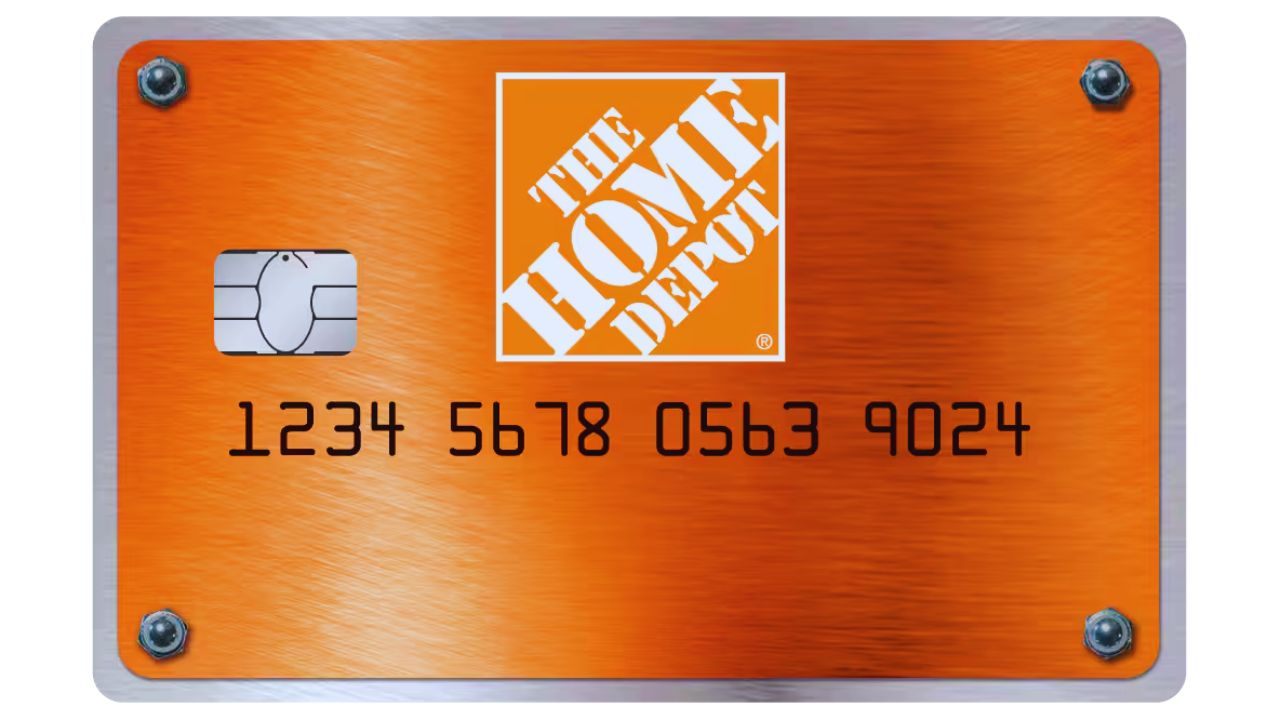
What Is The Home Depot Consumer Credit Card?
The Home Depot Consumer Credit Card is a store-branded card issued by Citibank, designed primarily for retail purchases at The Home Depot.
Unlike a general credit card, it’s not usable everywhere—only within the Home Depot ecosystem, in-store and online. There’s no annual fee, which attracts some users, but as with most retail credit cards, there are unique incentives as well as notable caveats.
People often assume store cards are just a way to rack up points or discounts. With The Home Depot card, the real draw tends to be its special financing offers, but these need a closer look before making a big decision.
Key Benefits of The Home Depot Card for Projects
The Home Depot Card can support project planning with financing options, purchase flexibility, and helpful tools for managing renovation expenses.
Special Financing Offers
The card frequently advertises six months of deferred interest for qualifying purchases of $299 or more.
Occasionally, longer promotional periods are offered for large-ticket items. This setup might sound like a zero-interest deal, but it's actually a deferred interest program—an important distinction.
Extra Time to Pay
For some shoppers, having additional months to pay off significant expenses without interest (if handled correctly) can relieve short-term cash flow stress. Of course, the effectiveness depends on paying off the balance in full before the promotion ends.
Exclusive Cardholder Offers
The Home Depot periodically issues special discounts or promotions just for cardholders. While sometimes minimal, if you are making a large purchase during an event, every percent arguably counts.
No Annual Fee
There aren't many completely free financial tools, but The Home Depot Consumer Credit Card doesn't charge an annual fee. This can attract users trying to avoid ongoing costs just for the option to spend.
Potential Drawbacks You Should Know
Potential drawbacks you should know help readers look beyond benefits and understand costs, limits, risks, or conditions before deciding. Careful review can prevent surprises and support smarter, more confident choices.
Deferred Interest, Not 0% APR
This is perhaps the card’s most misunderstood element. The promotional period means interest accrues quietly in the background.
If even a dollar remains unpaid when it ends, you’re on the hook for interest retroactively, going back to the purchase date—at rates often exceeding 29% APR.
Limited Use Outside The Home Depot
This card isn’t accepted elsewhere. For many budgets, a versatile rewards credit card could offer more flexibility and possibly even better rates or genuine cash back, depending on your spending routine.
That's a subtle drawback that might not be obvious at checkout.
High Standard Interest Rate
If the balance isn’t paid fully within the promo window, the standard purchase APR kicks in. This could make even modest purchases quite expensive over time. People juggling multiple debts or with unpredictable income cycles may find this a disadvantage.
Potential to Overspend
Financing offers can make it easy to take on more than you’d planned. Some users report purchasing higher-ticket items because of the deferred interest, only to struggle later when the full payment is due.
It’s a real risk for anyone tempted to stretch their budget "just this once."

Comparing The Home Depot Card to Alternatives
Comparing The Home Depot Card to alternatives helps shoppers weigh financing, rewards, fees, and flexibility before choosing the best option.
General Rewards Credit Cards
Compared to The Home Depot store card, general rewards or cash-back credit cards offer wider flexibility. Many feature true introductory 0% APR on purchases, not deferred interest. This difference can mean less risk of surprise finance charges.
Lowe’s Advantage Card
Some may compare Home Depot’s card to similar home retailer cards, like the Lowe’s Advantage Card. Lowe’s tends to offer a straightforward 5% discount or similar financing.
The real decision comes down to which store you frequent—and which perks fit your project timeline and budget better.
Personal Loans or Home Equity Lines
Larger remodels might be better served by a personal loan or home equity line of credit. These options can provide greater borrowing limits and (sometimes) lower rates, especially for those with good credit.
Of course, the effort to apply is greater—but so is the payoff for major renovations.
Tips for Using The Home Depot Consumer Credit Card Wisely
Smart card use starts with planning purchases, tracking payments, understanding financing terms, and avoiding balances that create extra project costs.
- Always have a payoff plan. Only charge what you know you can pay off within the promotional period.
- Set calendar reminders. Track your final payment date carefully to avoid triggering retroactive interest.
- Read the fine print on new promotions. Offers can change annually or even seasonally.
- Check your project budget before applying. Decide if the short-term savings outweigh the interest risk.
- Monitor your credit score. Any new credit account can temporarily impact your rating.
Hidden Costs and Key Fine Print
Some less obvious aspects catch many off guard. For example, late payments may forfeit your promotional offer entirely.
Returned payment fees, variable APRs, and other standard card costs all lurk in the terms and conditions. It’s worth taking a moment—or an hour—to truly read the full cardholder agreement before signing up, even if most people skip this stage.
Who Might Benefit Most From This Card?
People with predictable budgets and disciplined repayment habits are most likely to benefit.
If you regularly shop at The Home Depot and keep tight control over monthly spending, the short-term financing and periodic cardholder deals could provide meaningful value.
For someone prone to rolling balances or with less stable finances, though, the risks might outweigh the rewards.
Legal and Tax Considerations
Legal and tax considerations help readers understand rules, obligations, deductions, and risks before making financial, business, or employment decisions confidently.
Impact on Credit
Like any new credit application, this card might create a hard inquiry and affect your credit score, especially if you plan to apply for other loans soon.
Using a high percentage of your total available credit could also impact your score, so it’s wise to factor that into your broader financial plan.
Tax Deductions
Home improvement expenses usually aren’t tax-deductible unless tied directly to rental property or certain energy efficiency upgrades. For details on what improvements might qualify, consult an up-to-date IRS guide or accounting professional.
Consumer Protections
Because the card is issued by Citibank, standard consumer credit protections apply. Still, resolving cardholder disputes around promotional interest or billing can sometimes be slower than expected, especially with store-only cards. It’s rare, but worth knowing.
Is The Home Depot Consumer Credit Card Worth It?
The answer isn’t absolutely clear for everyone. For large, one-time purchases that can be paid off quickly, the financing feature might offer real breathing room.
Yet, the risk of deferred interest and the card’s limited utility might overshadow its potential rewards for the wrong user.
Note: There are risks involved when applying for and using credit. Consult the bank’s terms and conditions page for more information.