
Searching for restaurant jobs in India can feel overwhelming, especially if it’s your first time stepping into hospitality.
But for job seekers—including students, fresh graduates, and those looking for career shifts—restaurants offer genuine opportunities for flexible work, skills development, and sometimes surprisingly good pay.
If you've ever wondered where to start or how the process really works, this guide is for you.
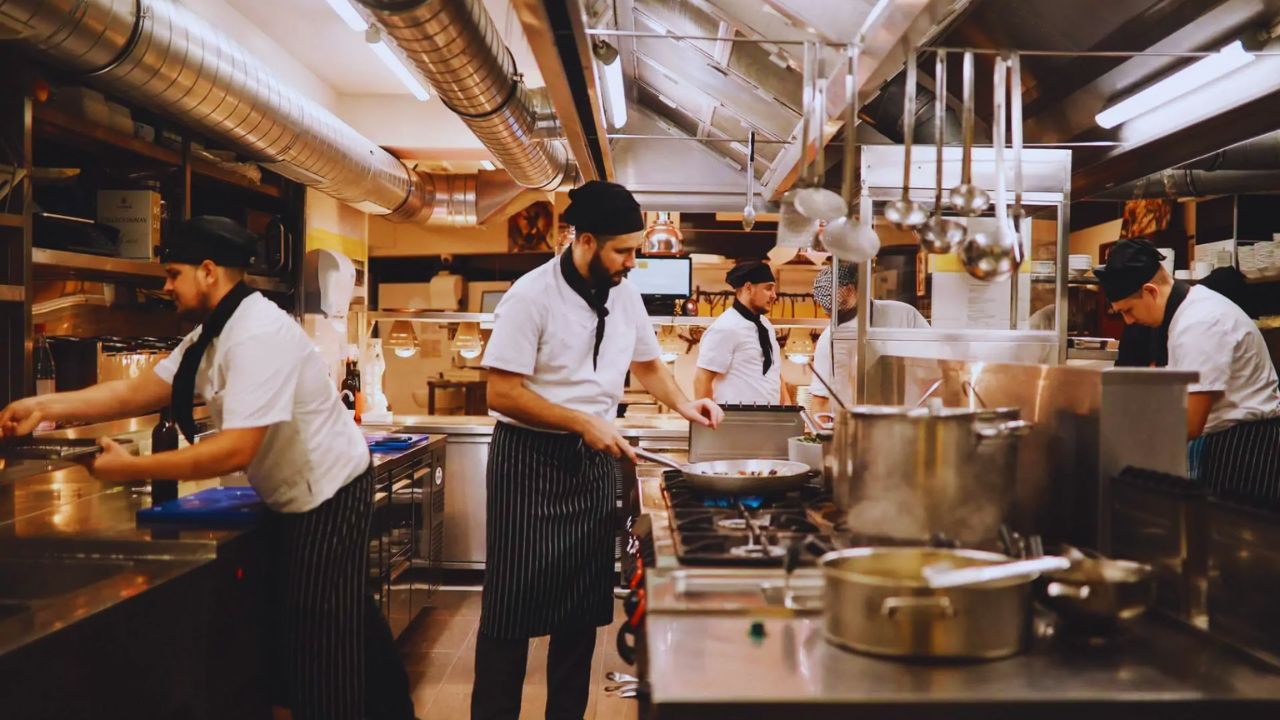
Why Restaurant Jobs Remain Popular in India
Employment in Indian restaurants isn’t just about serving food. There are many behind-the-scenes roles.
For starters, the country’s growing urban centers have made dining out a regular part of daily life, especially in cities like Bengaluru, Mumbai, and Delhi. This trend feeds steady demand for both entry-level and skilled workers.
Wide Range of Job Roles
Many find roles as waiters, chefs, kitchen assistants, cashiers, or even managers. Even if someone has little experience, there are often openings for newcomers willing to learn on the job.
Opportunity for Skill Growth
Restaurant positions can be surprisingly educational. Employees pick up teamwork, communication, and people management skills, sometimes without realizing it. For some, it’s a stepping stone toward roles in hotel management or hospitality industries.
Flexible Working Hours
For students or those balancing family commitments, flexible shifts—morning, evening, or split hours—are a major attraction. Flexibility is rarely perfect, but it’s more common here than in many office-based jobs.
How to Find Restaurant Job Listings in India
There isn’t one right way to search for restaurant jobs, but some methods tend to work better than others. Internet access has made things easier, but word-of-mouth and walking in still play a big part.
Online Job Portals
Websites like Naukri, Indeed, and even LinkedIn often list restaurant jobs. Filtering by location and job title narrows down the search efficiently. Prepare to spend time reading job details to avoid scams.
Direct Applications
Some people still prefer to visit restaurants directly. This approach works better for walk-in interviews or urgent openings. Candidates can introduce themselves and submit a resume or basic application form on the spot.
Social Media Groups and Local Forums
Many restaurants announce openings in Facebook and WhatsApp groups. These are more popular in metro regions and can be a fast route to getting noticed, but always check the credibility carefully before sharing personal details.

What You Need Before Applying
The application process varies widely by employer, but a few essentials are almost always helpful. Thinking ahead can save time and reduce stress during interviews or document checks.
Basic Documents
- Recent passport-size photo
- Copy of any government-issued ID (such as Aadhaar or Voter ID)
- Educational certificates, if required
- Up-to-date resume or CV
- Reference contact, if available (optional, usually for higher positions)
Having a Simple, Clear Resume
Resumes for restaurant jobs don’t need to be complicated. Listing education, any past work (even unrelated jobs), and special interests can show a willingness to learn.
Some applicants mention hobbies like teamwork sports, which might feel odd, but in hospitality, these can help.
Understanding the Role Requirements
Most jobs will ask for basic language skills—especially spoken Hindi or English, depending on the city. If the restaurant has foreign clientele or belongs to a hotel, they might want English fluency or previous experience.
The Application Process Step-by-Step
No single journey is the same, but these steps appear in most hiring processes. Some companies move quickly while others can take weeks.
1. Searching and Shortlisting
Most candidates start by selecting a few restaurants that suit their location, timing, and pay expectations. Keeping a spreadsheet isn’t common, but it helps some people keep track.
2. Preparing and Sending Applications
After identifying positions, candidates email or submit their documents. Sometimes it’s just a resume; other listings want a physical form filled out in person. Include a short, polite introductory note if emailing directly.
3. Attending Interviews
Interviews for restaurant jobs can be as informal as a chat with a manager over tea, or as structured as a panel interview, especially at chains or hotels. Questions might focus on availability, customer service approach, and past teamwork experiences.
4. Skill Trial or Training
Some employers ask for a day of trial work. There are stories of people feeling anxious about this step, but it’s often just a chance to show teamwork and take directions. Not everyone is offered a paid trial, so ask politely if you’re unsure.
Common Restaurant Job Titles and Their Requirements
| Job Title | Key Skills | Typical Pay Range (per month) |
|---|---|---|
| Waiter/Waitress | Customer service, multitasking, basic math | ₹8,000–₹15,000 |
| Kitchen Helper | Speed, cleanliness, teamwork | ₹7,000–₹12,000 |
| Chef/Cook | Cooking skills, efficiency, menu knowledge | ₹12,000–₹30,000 |
| Cashier | Billing, accuracy, polite demeanor | ₹10,000–₹18,000 |
| Restaurant Manager | Team leadership, stock control, scheduling | ₹20,000–₹45,000 |
The actual pay changes by city, restaurant type, and additional perks like free meals or tips.
Tips for Standing Out as a Candidate
Sometimes competition is stiff. Trying a few simple strategies might help applicants stand out, though nothing is guaranteed.
Highlight Soft Skills
If someone is reliable, patient with people, or simply enthusiastic, mentioning these qualities—genuinely—can set them apart. Admissions teams are often looking for a good attitude more than perfect skills.
Be Prepared for Trial Shifts
Most places do expect a short, unpaid or paid trial. Even if things feel awkward at first, showing a willingness to learn and adapt leaves a strong impression.
Aim for Transparent Communication
If there are any timing or transport issues, mentioning them early can demonstrate honesty. It may not always change decisions, but transparency is generally appreciated.
Legal, Safety, and Tax Considerations
Restaurant jobs operate under basic labor laws, but the level of enforcement—and awareness—varies widely. A little caution goes a long way.
Know Your Rights
Most hospitality staff in India are entitled to minimum wages, paid holidays, and breaks. Smaller restaurants may not always follow the rules completely, so it’s a good idea to quietly check with current employees or review official labor laws if something feels off.
Tax Deduction and Documentation
Usually, restaurants deduct taxes at source if pay exceeds a certain amount (TDS). Keeping payslips or digital payment records can help later during income tax filing, even if the amounts seem small at the start.
Workplace Safety and Harassment
Employees have the right to a safe workplace and should be aware of channels for reporting concerns about safety or harassment. Larger chains often display such policies openly, but smaller places may not.
Paths for Growth: Beyond the First Restaurant Job
For those thinking long-term, hospitality offers paths for advancement. Restaurant experience helps with transitions to hotel management roles, catering, or food service businesses.
Continuous learning, perhaps through short-term courses or on-the-job mentoring, supports upward mobility.
Conclusion
Applying for restaurant jobs in India can be a practical way to find flexible work, steady pay, and useful customer service experience.
By understanding role requirements, preparing a simple resume, and applying through trusted channels, candidates can improve their chances. With the right approach, restaurant work can support both short-term income and long-term growth.