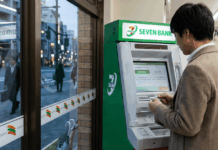
Convenience stores (konbini), especially 7-Eleven, are everywhere in Japan. For students, foreigners, and locals seeking flexible work, these stores offer a practical entry point. Shifts run from early mornings to late nights, suiting many lifestyles.
This guide is for non-Japanese speakers, students, and anyone interested in a part-time job at a 7-Eleven in Japan. By reading, you’ll learn about pay, needed visas, and how to actually land a position—based on how things work in practice, not just theory.
Why Work at 7-Eleven in Japan?
Securing a baito (part-time job) at 7-Eleven can be a good gateway into Japanese work culture. Many find it manageable, structured, and a chance to learn both language and soft skills. Openings are frequent, with peak demand in urban areas.

Popular Cities for 7-Eleven Baito
- Tokyo – Highest job volume and busiest shifts.
- Osaka – Known for busy stations and vibrant nightlife needs.
- Fukuoka & Sapporo – Slightly less intense pace, more opportunities for those with intermediate Japanese.
Workloads differ by neighborhood. Shops near train stations or in entertainment zones get busy quickly, especially around lunchtime or late evenings.
Hourly Wages at 7-Eleven Japan
Wages at 7-Eleven in Japan are set based on city, shift time, and sometimes experience. Minimum wage varies by prefecture and rises slightly each year.
Average Hourly Pay by Region
- Tokyo: Around 1,100 yen to 1,300 yen per hour.
- Osaka: 1,050 yen to 1,250 yen per hour.
- Smaller Cities: From 950 yen, often to 1,100 yen hourly. Rates increase for late-night shifts (usually 10 PM–5 AM) by 25%.
Some shops offer a small raise after a probation period. Occasional seasonal bonuses or incentives may be available, though not guaranteed.
What Influences Your Pay?
Your pay can vary based on factors such as experience, location, job role, working hours, employer policies, and additional responsibilities.
- Japanese ability affects tasks handled and, sometimes, wage offers.
- Schedule: Night and holiday shifts pay more.
- Experience: Returning staff may receive a nominal increase.
Visa Requirements for Foreign Workers
Foreigners must have appropriate work permission to get a legal baito at 7-Eleven. The most common route is the student visa.
Eligible Visa Types
- Student Visa (with work permit): Up to 28 hours per week during semesters, 40 hours in holidays.
- Dependent Visa: Often allowed up to 28 hours per week.
- Spouse Visa: Enables full or part-time work, depending on status.
Working on a tourist visa is strictly prohibited. Documentary proof of your work eligibility is required during application and hiring.
How to Get a Work Permit on a Student Visa
- Apply for “Permission to Engage in Activity other than that Permitted” at your Regional Immigration Office.
- Bring your passport, residence card, and application form.
- Processing usually takes 1-2 weeks, sometimes faster.
Once approved, keep the permit with your residence card because managers often ask to see it during your interview or onboarding.
The Job Application Process at 7-Eleven
Applying for baito at 7-Eleven can be done in-store or online. Each approach has its own quirks and expectations.
Preparing Your Application
- Japanese resume (rirekisho) is almost always required. Basic templates are available from Hello Work offices or convenience store kiosks.
- Bring passport, residence card, and work permit when applying in person.
Filling out the rirekisho by hand is still standard. Writing neatly (even for non-native speakers) shows effort.
Online Application Tips
- 7-Eleven’s official site sometimes accepts baito applications: https://www.sej.co.jp/arbeit/
- Other job boards include TownWork and Baitoru (search using the keyword セブンイレブン バイト).
Web forms ask for availability, Japanese skill level, and preferred store locations. Responses may take anywhere from hours to several days. Sometimes, a follow-up phone call is necessary—practice basic Japanese greetings in advance.
In-Person Applications
- Visit the store during quieter periods (late morning or afternoon is best).
- Ask for the manager or shift leader and say you are interested in baito.
- Hand over your rirekisho and documents politely. If you feel nervous, that’s normal. They’re used to beginners.
Interviews may take place immediately or be scheduled for a later date. Answering basic questions in Japanese is helpful, but staff sometimes use simple phrases or gestures if you’re struggling. Many applicants succeed with limited Japanese—patience and enthusiasm are usually noticed.
Common Work Tasks and Expectations
7-Eleven jobs in Japan cover a surprising range of tasks beyond just selling items. Expect to wear a standard uniform and follow set procedures.
Major Job Duties
- Cash register (reji) operation and greeting customers
- Restocking shelves and displays
- Cleaning public and staff areas
- Preparing fast foods (like oden or chicken)
- Managing package deliveries and pick-up services
Workflows are standardized. Expect on-the-job training, ranging from a few hours to several days depending on your shift and the store’s size.
Language Skills Needed
- Greeting scripts are provided. Memorizing a few key phrases makes things smoother.
- Handling simple customer questions is valued, but not always demanded at first.
The key expectation is reliability—showing up slightly early and staying attentive makes a difference, even if your Japanese is just average at first.
Tips for Success at 7-Eleven Jobs
Succeeding in a 7-Eleven baito often comes down to attitude, small daily habits, and comfort with routines.
- Take notes during training—there are subtle routines, like folding plastic bags or how to return change, that can be easy to forget.
- Try to memorize sale item locations, since customers will often ask by pointing or showing a photo on their phones.
- Build basic Japanese listening skills. Apps like HiNative or Duolingo can help supplement your day-to-day learning.
- Get comfortable with POS (point-of-sale) systems. Pressing the right buttons quickly helps, but mistakes are corrected kindly more often than not.
- Maintain tidy personal appearance. Uniforms are provided but neat hair and visible name tags are checked daily.
Some days will feel repetitive or overwhelming, especially during holiday rushes. Over time, most part-timers find a rhythm and the work gets easier, even fun at moments—once regular customers start to greet you back.
Legal Protections and Important Policies
Japanese labor law applies to all workers, regardless of nationality. Part-timers at 7-Eleven have certain rights, even if the role seems simple.
Key Labor Standards
- Paid breaks for shifts longer than 6 hours
- Social insurance requirements if working over a certain threshold
- Minimum wage compliance set by region
Always keep records of your hours and pay. Wage disputes are rare but possible—in such cases, consulting with a labor office (like Hello Work or your school’s international office) is the safest route.
Conclusion
Working at 7-Eleven in Japan can provide income, practical language experience, and exposure to local workplace routines.
With clear expectations, legal protections, and accessible entry requirements, the role may suit students and foreign residents seeking part-time work. Adaptability, reliability, and willingness to learn can make the experience more rewarding.