Accessing fast cash in Mexico can feel difficult when traditional lenders have strict requirements. This guide explains common lending barriers and practical alternatives.
It also covers eligibility, repayment costs, online safety, and responsible borrowing. These points can help readers compare options with greater financial confidence.
Understanding Lending Barriers in Mexico
Traditional lenders usually assess income, existing debts, documentation, and credit history before approving financing.
These standard lending checks can create challenges for first-time borrowers, informal workers, or applicants whose income is difficult to document, especially when earnings vary by season or employment records are incomplete.
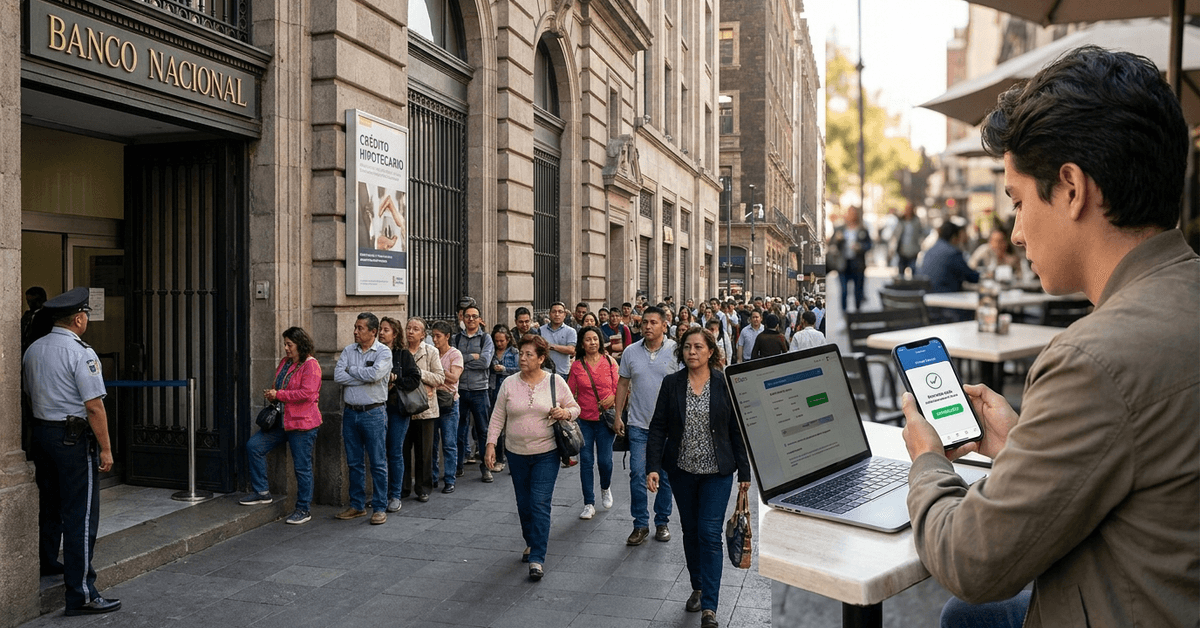
Bureaucratic Challenges
Paperwork is often one of the first obstacles for borrowers. Banks may request identification, proof of address, income records, account information, and other supporting financial documents.
Missing or inconsistent records can slow verification or prevent an application from progressing.
Credit Score Limitations
Credit history can influence whether a lender approves an application and which conditions are offered.
Mexico's credit-information companies maintain records of payment behavior and obligations, so limited or negative history may affect assessment. Borrowers should remember that different institutions can still apply different internal lending criteria.
Collateral Restrictions
Some financing products require collateral, while ordinary unsecured personal loans generally rely more heavily on income and creditworthiness.
Applicants without property or other eligible assets may have fewer choices for secured borrowing options. Comparing unsecured alternatives can therefore be useful when pledging an asset is unrealistic.
Exploring Alternative Lending Options
Mexico's digital financial market has expanded borrowing options beyond conventional bank branches.
These alternative credit channels differ in regulation, costs, assessment methods, repayment structures, customer service, and the type of borrower each provider is designed to serve.
Online Fintech Lenders
Online lenders allow customers to apply through websites or mobile devices and may use automated systems to process information quickly. Kueski currently offers an online personal-loan product and lists basic requirements on its official page.

Applicants should still compare the CAT, repayment amount, and personalized conditions before accepting credit.
Peer-to-Peer Lending
Peer-to-peer lending uses digital platforms to connect financing demand with investors or other funding structures. P2P platforms and SOFIPOs are different financial models, so borrowers should not assume they operate under identical rules.
Eligibility, funding timing, rates, and regulatory status should be checked for each specific provider.
Payroll Loans and Microloans
Payroll loans are generally repaid through salary-related arrangements when the borrower meets the provider's requirements.
Microloans may serve people seeking smaller financing amounts, including some borrowers with limited access to traditional products. Costs and repayment periods vary, so convenience should be weighed against the full amount payable.
Requirements for Nontraditional Lenders
Alternative lenders may use different documentation standards, but legitimate credit does not mean avoiding verification entirely.
Applicants commonly need identity, banking, and income information before an offer can be evaluated, even when the entire application is completed online from a phone.
Acceptable Proof of Income
Some lenders may accept payslips, bank deposits, tax information, invoices, or other evidence showing recurring income.
Digital platforms can also analyze financial information when applicants authorize appropriate access. The exact income verification method depends on the lender and product.
ID and Residency Documents
Government-issued identification is commonly required to verify an applicant's identity. Kueski's current personal-loan page lists adulthood, Mexican nationality, a personal bank account, and a valid voter ID or Mexican passport among its requirements.
Other lenders may have different residency conditions, so applicants should review current eligibility before applying.
Comparison of Traditional vs. Alternative Lenders
Traditional and alternative lenders can serve different borrowers, and neither category is automatically better.
Comparing cost, speed, eligibility, and legal protections is more useful than choosing solely by provider type, particularly when loan sizes and repayment periods differ.
- Banks: Often provide established lending products but may require more documentation and longer assessments.
- Fintech lenders: May offer streamlined digital applications with different pricing and eligibility rules.
- P2P platforms: Can use marketplace structures, with conditions depending on the platform and available funding.
- Microfinance providers: May focus on smaller financing needs, but costs and requirements still require careful review.
- SOFIPOs: Operate under their own regulated financial framework and should not be treated as identical to P2P services.
Key Considerations for Fast Cash Loans
Speed can be useful, but a fast decision does not automatically mean a suitable loan. Borrowers should compare total cost and affordability before focusing on how quickly money may arrive.
Transparency and Fine Print
A trustworthy credit offer should clearly explain the amount financed, repayment schedule, interest, commissions, and other applicable charges.
CONDUSEF describes CAT as a tool for comparing the overall cost of credit across financing products. Reading the complete contract helps identify conditions that may not be obvious from advertising.
Understanding Repayment Schedules
Repayment periods vary widely between lenders and loan types. Shorter terms can reduce the borrowing period but may create
larger scheduled payments that strain a monthly budget. Applicants should calculate whether each installment remains manageable after rent, food, utilities, transport, and existing debts.
Risks and Safety When Borrowing Online
Digital borrowing can expose consumers to impersonation scams, fake lenders, and misleading offers. Checking provider legitimacy carefully before sending documents or money is an important safety step.
Avoiding Scenarios of Fraud
Be cautious when someone promises guaranteed approval, pressures you to act immediately, or asks for money before releasing supposed credit.
CONDUSEF advises consumers to verify financial institutions through SIPRES and warns about advance-payment loan scams.
Contact information, websites, and phone numbers should be checked independently rather than through details supplied only by an unsolicited agent.
Smart Borrowing Strategies in Mexico
A balanced approach can help borrowers manage urgent needs without creating unnecessary financial pressure.
Comparing providers, calculating repayment, and protecting personal financial information should remain priorities even when time is limited or an unexpected expense feels urgent for borrowers.
- Check official provider information rather than relying only on reviews or advertisements.
- Compare the CAT, periodic payment, and total amount payable across similar offers.
- Calculate whether repayment fits comfortably within current monthly income.
- Borrow only the amount required for a clearly defined purpose.
- Keep copies of contracts, statements, receipts, and payment confirmations.
- Avoid sharing passwords, PINs, or verification codes through unofficial channels.
- Verify unfamiliar financial institutions through CONDUSEF's SIPRES before proceeding.
- Avoid paying money upfront simply to obtain promised credit.
Conclusion
Finding fast cash in Mexico is possible through banks, fintech lenders, P2P platforms, payroll products, and other financing channels. Each option carries different requirements, costs, and repayment risks.
Comparing CAT, verifying providers, and reviewing complete loan terms can support safer decisions. Responsible borrowing means choosing only an amount that fits a realistic repayment plan.