
Starting a career in India’s diverse and competitive job market can feel daunting, especially if you’re a recent graduate or just entering the workforce. Yet, with the right approach, entry-level jobs in India can be accessible and rewarding.
This guide is designed for freshers, final-year students, or anyone looking to break into the Indian professional world. The main goal? To offer clear, actionable insights that help readers navigate the application process and increase their chances of success.
Understanding Entry-Level Jobs in India
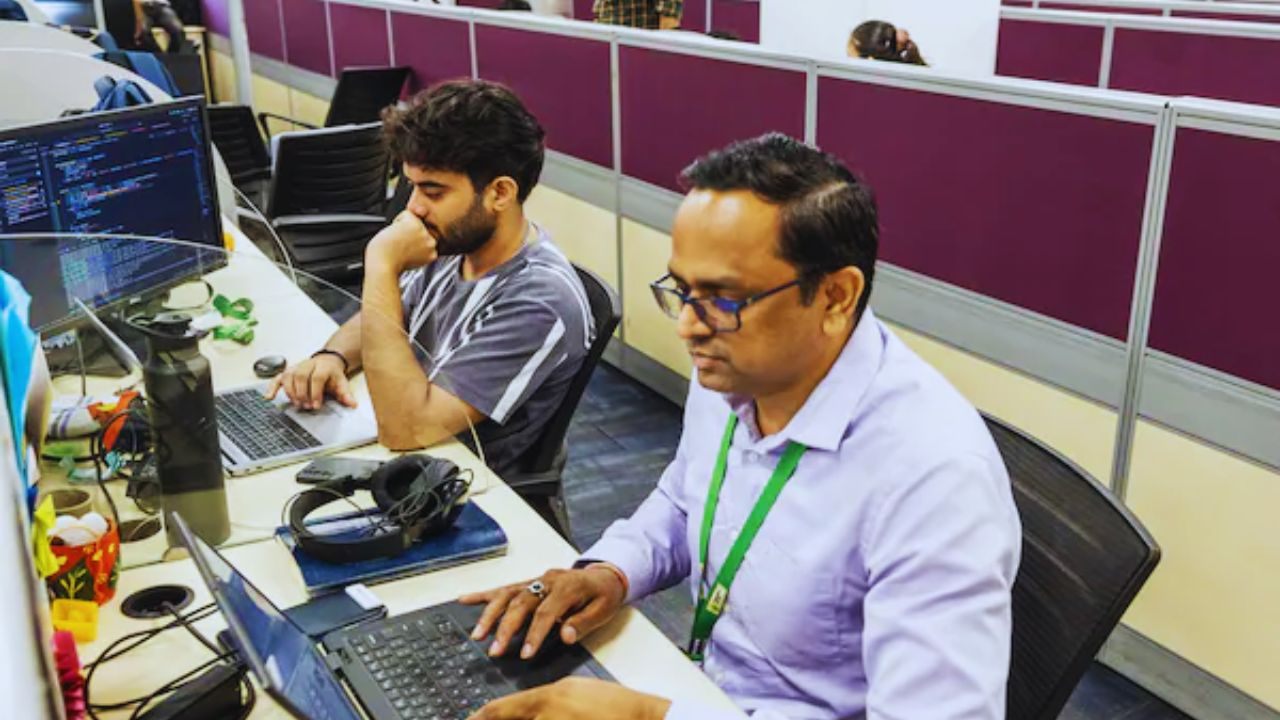
The term entry-level in India generally refers to roles meant for candidates with little to no professional experience. Employers are mostly looking for individuals who can learn quickly and adapt to a structured workplace environment.
Some may expect certain skills, but on-the-job training is often provided. Common sectors offering these positions include IT, customer service, marketing, sales, finance, and manufacturing. Each has its own expectations and learning curves.
Popular Industries for Entry-Level Roles
- Information Technology and Software Development
- Business Process Outsourcing (BPO)
- Banking and Financial Services
- Retail and E-commerce
- Sales and Marketing
- Manufacturing and Production
Key Skills Employers Seek
- Communication and interpersonal abilities
- Problem-solving and analytical thinking
- Basic IT skills and digital literacy
- Adaptability and eagerness to learn
- Teamwork and collaboration
Where to Find Entry-Level Job Openings
Entry-level positions are posted across multiple channels in India—each suited for a different type of candidate or sought-after role. Some methods might seem obvious, but a combination usually works best. Perhaps experimenting with more than one can help uncover hidden opportunities.
Leading Online Job Portals
- Naukri.com – India's largest job portal, popular among all sectors
- LinkedIn Jobs – Useful for networking and company research
- Freshersworld – Specializes in positions for new graduates
- Monster India – Known for volume and diversity
- Shine.com – Focuses on urban and semi-urban workforce needs
Campus Placements
For many, campus recruitment remains a significant entry point. Colleges and universities regularly host companies seeking fresh talent. It’s worth monitoring notice boards and keeping up to date with placement coordinators, though the competition can be intense.
Networking and Referrals
Referrals—especially in India—are often a trusted pathway into organizations. Friends, family, or even acquaintances in the industry might give helpful recommendations, or simply spread the word. Sometimes, it’s about being in the right place at the right time.

How to Prepare for the Application Process
An effective application strategy can make all the difference. Even with minimal experience, a little preparation tends to go a long way. Focusing on clarity and authenticity may help your profile stand out in a crowded market.
Crafting an Impressive Resume
- Keep it concise; one page is usually enough for freshers
- Highlight education, internships, and any relevant certifications
- Mention soft skills or extracurricular involvement
- Always check for errors and inconsistencies; sometimes, a single typo only makes a big impression—just not the right one
Writing an Effective Cover Letter
- Personalize it to each company and position
- Show genuine interest in the organization
- Connect your skills to the job requirements, even if you’re unsure you’re a perfect match
Collecting Essential Documents
- Recent photograph (passport size)
- Academic certificates and transcripts
- Proof of identity (like Aadhaar or PAN card)
- Internship or volunteer experience letters, if available
The Application Process Explained
The journey from seeing a job listing to joining a company usually unfolds in predictable stages. There’s some variation, but most entry-level hiring in India follows these steps.
Oddly enough, even experienced professionals have to repeat some of these steps, but for first-timers they’re part of the learning curve.
Online Application Submission
- Sign up on the selected portal
- Complete your profile thoroughly
- Upload your resume and a professional photograph
- Apply to positions relevant to your background and interests
Shortlisting and Screening
- Recruiters review applications—sometimes automatically via AI
- A phone or email notification is sent to shortlisted candidates
- Initial screening calls may check your communication skills and verify details
Written Tests and Assessments
- Aptitude or technical tests are common in IT and government jobs
- Some companies use psychometric or personality tests
Interviews: What to Expect
- May include HR, technical, or group interviews
- Common questions: strengths, weaknesses, basic technical knowledge, and career goals
- Interviewers look for clarity, attitude, and a willingness to learn—not just technical brilliance
Selection and Onboarding
- Offer letters are issued to selected candidates
- Onboarding documents and orientation sessions follow
Tips to Improve Your Chances
Landing that first job isn’t always straightforward. Sometimes the process is long, interrupted by pauses, or doesn’t have a clear answer. But a few strategies do tend to help, especially if you’re persistent.
- Customize your application for each job—generic just isn’t noticeable enough
- Regularly update your profiles on major job portals
- Practice mock interviews with friends, or even in front of a mirror
- Consider free online courses on sites such as Coursera or edX to boost your resume
- If a rejection happens, ask for feedback; sometimes companies offer useful insights
Common Mistakes Freshers Make (And How to Avoid Them)
- Submitting incomplete or inaccurate applications
- Neglecting soft skills in the resume
- Ignoring company research before interviews
- Getting discouraged by initial rejections—everyone faces some setbacks
- Overlooking the value of internships or volunteer work as experience
Understanding Salary and Growth Expectations
Entry-level salaries in India typically vary by industry, city, and company size. While compensation for freshers isn’t always high, there are many non-monetary benefits—training, networking, and long-term growth.
Sometimes, it’s more about learning and exposure than pay, at least in the early months.
Average Starting Salary Ranges
| Industry | Average Monthly Salary (INR) |
|---|---|
| IT & Software | ₹22,000 – ₹40,000 |
| BPO | ₹15,000 – ₹28,000 |
| Banking/Finance | ₹18,000 – ₹35,000 |
| Retail | ₹12,000 – ₹25,000 |
| Sales/Marketing | ₹15,000 – ₹32,000 |
| Manufacturing | ₹14,000 – ₹27,000 |
These numbers are only indicative; actual salaries might be above or below depending on the city, company, and negotiation skills. Some jobs also offer incentives, which can increase your monthly take-home quite a bit over time.
Legal and Tax Considerations
For most entry-level jobs, legal processes are straightforward but important. Newly hired candidates usually need a PAN card for salary payments and a bank account for direct deposit.
New hires may also need to submit KYC documents and sign employment contracts.
Income Tax Basics for Freshers
- If your annual income exceeds the basic exemption limit, filing taxes is mandatory
- Retain all offer letters, Form 16, and payslips for compliance
- Ask for a breakup of CTC (cost to company) when you get an offer
- Government websites and official portals are the best sources for up-to-date information
Conclusion
Finding entry-level jobs in India is a strong first step toward building real work experience, confidence, and career direction.
By preparing a clear resume, using trusted job platforms, and applying consistently, beginners can improve their chances. With patience and the right approach, your first job can open the door to long-term growth.