
Looking for competitive real estate in Puerto Rico can be both exciting and overwhelming. This guide is designed for home seekers, investors, and anyone curious about navigating this dynamic market.
Learning about trends, opportunities, and local nuances often makes a difference in finding the right property. Puerto Rico’s mix of Caribbean beauty, tax incentives, and diverse locations offers much for both local and international buyers.
Competition has increased, especially in popular areas, yet value remains if one knows where to look—or perhaps what to avoid.
Potential pitfalls? There are a few. But timely research and realistic expectations might be the best companions.
Why Puerto Rico’s Real Estate Market Draws Attention?
The island’s appeal stretches beyond its beaches. For some, it’s about relocation incentives. For others, it’s vacation homes or investment properties.
The local property market has unique drivers, and understanding these factors can actually help avoid costly mistakes.
Key Factors Behind Market Competitiveness
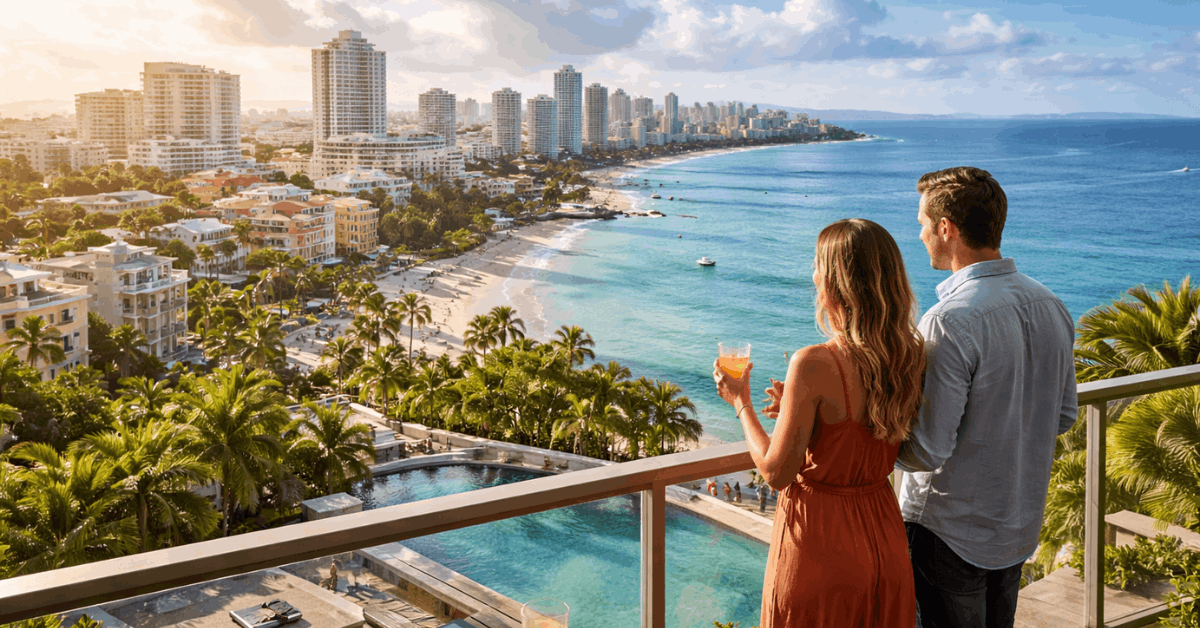
- Tax Advantages : Programs such as Act 60 (formerly Act 20 and 22) attract mainland U.S. investors with notable tax benefits.
- Diversity of Inventory: Options range from beachfront condos to mountain retreats. Prices can swing dramatically by region.
- International Interest: Demand from foreign buyers means some towns—San Juan, Dorado, Rincon—are seeing fast appreciation.
- Local Demand: Native Puerto Ricans often compete for the same properties, especially for affordable housing.
- Lifestyle Benefits: The combination of climate, business opportunities, and cultural vibrancy is hard to match.
Understanding Puerto Rico’s Real Estate Landscape
Just like any region, each part of Puerto Rico comes with distinct market quirks. Urban areas see higher prices; rural zones offer potential bargains, yet may lack amenities. Market knowledge is probably the first and most reliable step.
Mainland vs. Island Mindset
It’s not uncommon to find differences between what international and local buyers prioritize. Some value walkability; others focus on lot size. Weather resilience, too, is a big topic—especially after previous hurricanes.
Popular Regions and What Sets Them Apart
| Region | Main Appeal | Average Price (USD) |
|---|---|---|
| San Juan | Urban living, cultural life | $230,000+ |
| Dorado | Luxury, gated communities | $500,000+ |
| Rincón | Surfing, ex-pat hub | $250,000+ |
| Ponce | Historical charm, affordability | $140,000+ |
| Caguas | Accessibility, suburban life | $180,000+ |
It’s worth noting that rental markets in areas like Condado or Isla Verde can differ greatly from ownership opportunities elsewhere on the island.
How to Spot Value in Puerto Rico Real Estate
Value doesn’t always mean the lowest price. Sometimes, a well-built home in a rising neighborhood outpaces a fixer-upper in a declining area. Data matters, but gut feel—plus local advice—can prove just as useful.
Research and Comparison
- Review similar listings on portals like Clasificados Online or international sites such as Zillow.
- Look for properties with recent upgrades—storm windows, solar panels—that reduce future expenses.
- Pay attention to time on the market; quick sales may signal a hot neighborhood, but also push prices up.
Evaluating Condition and Documentation
- Check property titles and legal papers—uncertain data is not rare in certain rural regions.
- Request updated property surveys and permits, especially for homes built pre-2010.
- Understand flood risks and regional building codes.
Steps Toward a Competitive Purchase
A clear buying process helps avoid disappointment. Some aspects are familiar—others, less so. Transparent transactions are not always the norm in every community or sale type.
Partnering with Local Experts
Local brokers bring crucial insight, especially when buyers aren’t on the island regularly. Someone fluent in the local language and regulations may save considerable time.
If possible, checking client reviews for brokers or legal advisors often reveals valuable reputation markers. Licenciados Online can assist in finding reputable legal help.
Financing and Lending Nuances
- Puerto Rican banks may have stricter lending standards than those in the mainland U.S.
- Mortgage approval processes might require longer paperwork timelines.
- It’s common for local sellers to prefer cash buyers or those with proof of funds.
Offer and Negotiation Tips

- Making realistic offers based on recent comparable sales usually strengthens credibility.
- Bidding wars aren’t rare. Quick decision-making can occasionally help, but patience values caution in most cases.
- Inspect before agreeing. Due diligence benefits buyers more than sellers in this market.
Legal and Tax Considerations
Property laws in Puerto Rico share many similarities with the mainland—but not all. Tax incentives may be attractive, though eligibility rules and local fees add layers of complexity. Some buyers may want to consult advisors for clarity.
Closing Costs and Common Fees
- Transfer tax: typically 1% of the purchase price
- Legal fees: 0.5–1% for documentation and recording
- Notary public charges, especially for new homes
- Stamp duties and registration fees
Understanding Residency and Tax Status
Tax incentive programs (like Act 60) can reduce capital gains, but residency requirements are strict and performance-based.
It’s wise to verify details with official government links, such as the Puerto Rico Incentives Code (Act 60).
Strategies for Standing Out as a Buyer
In hot markets, offers rarely stand alone. Making your bid appealing is often as important as bidding high.
Providing flexible closing dates or earnest deposits may—at times—make a key difference.
- Highlight readiness to move quickly.
- Be transparent about financing; a pre-approval letter can carry significant weight.
- Accepting certain contingencies is sometimes a competitive move, though it should be weighed carefully.
No approach guarantees success every time, so patience becomes both a practical and strategic quality.
Safety, Reliability, and Community Concerns
Neighborhood safety, infrastructure, and resilience to storms could impact both comfort and investment.
Checking local forums, speaking with residents, and visiting communities at night—as well as during the day—might offer useful context, even if it’s not always conclusive.
Conclusion
Puerto Rico’s real estate scene is layered—sometimes unpredictable, yet full of potential. Prospective investors and home buyers may find unique benefits as well as challenges here.
With careful research, clear goals, and a willingness to seek expert input, standing out in a competitive market seems within reach.
For those considering a move, digging deeper into each neighborhood or consulting guides on related topics—like remote work in Puerto Rico or best communities for families —could enrich the decision process.
Perhaps this journey is less about making a perfect purchase and more about gradually learning what fits best.
Staying informed and open to local insight may enable more successful—and comfortable—real estate experiences in Puerto Rico.