
Modern automotive careers at Hyundai and Kia offer more than just work with cars. For anyone intrigued by the future of mobility, these companies present unique roles that combine technology, sustainability, and global collaboration.
The automotive field keeps changing and, perhaps, never more rapidly than now. Opportunities in these organizations might appeal to recent graduates, career changers, or seasoned technicians looking for a different challenge.
Some readers might find the breadth of roles surprising—it's not just engineering, but also design, software development, business strategy, and sustainability leadership all wrapped into one industry.
Why Hyundai and Kia Stand Out in the Automotive Industry?
For decades, Hyundai and Kia have prioritized innovation. Their shifts toward electric vehicles (EVs), autonomous driving, and eco-friendly production reflect bigger trends—but also differentiate them from more traditional automotive companies.
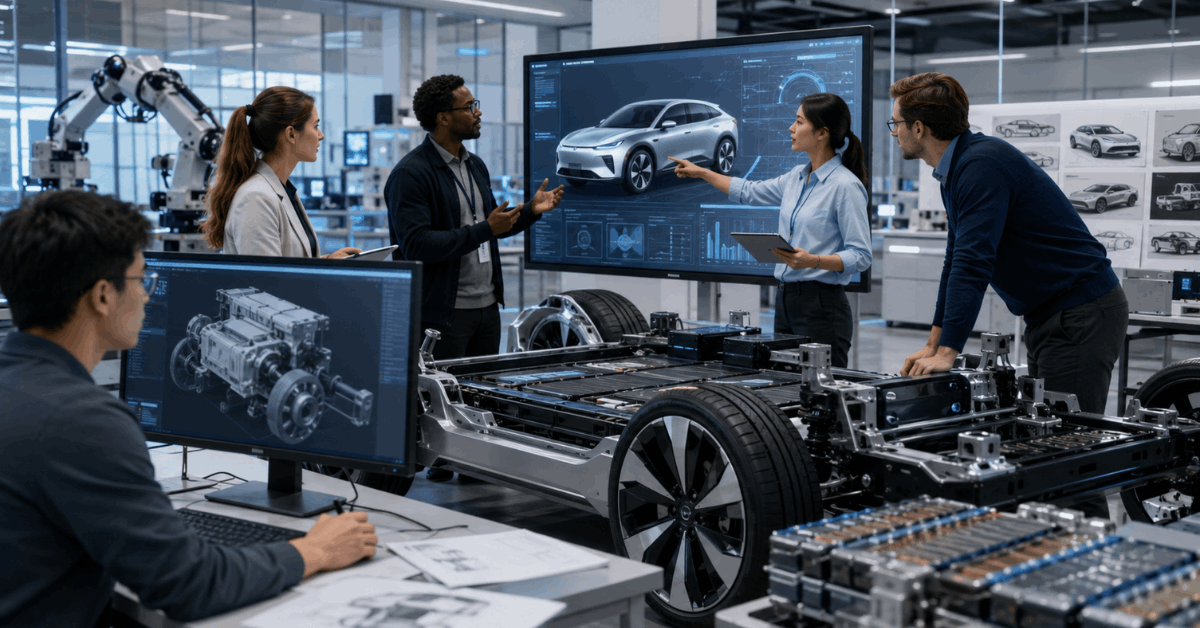
Commitment to Electric and Smart Vehicles
Both brands invest in electric vehicle technology and advanced driving systems. This effort has created new career paths in automotive AI research, battery development, and fleet connectivity. Those who join now may play a pivotal role in shaping the direction of tomorrow’s cars.
Global Operations and Cultural Exchange
Hyundai and Kia operate manufacturing and R&D centers worldwide. Employees often collaborate across continents, which is valuable for anyone seeking experience in global teamwork or multicultural environments. This global presence can allow wider exposure—though some find it overwhelming at first.
Focus on Sustainability and Social Responsibility
There's a growing emphasis on sustainability in car design and operations. Many roles now touch on recycling, green materials, or reducing carbon footprints.
That sense of making a difference, minor as it sometimes feels, can be quite motivating for some people.
Exploring Career Paths at Hyundai and Kia
It's tempting to believe that only engineers thrive here, yet the spectrum of opportunities is broader. Knowing where your passion fits—be it technical or creative—can help clarify your next steps.
Research and Development (R&D) Careers
R&D teams focus on everything from drivetrain innovation to futuristic user interfaces. These roles often require advanced technical degrees and, admittedly, a knack for handling uncertainty as trends change swiftly.
Design and User Experience
Designers at Hyundai and Kia shape cars inside and out, balancing function, aesthetics, and user needs. Opportunities here range from industrial design to UX/UI roles for digital dashboards.
Some skills, like empathy for drivers or curiosity about new tech, turn out to be as essential as artistic talent.
Manufacturing and Production
Production roles cover smart manufacturing, robotics, and quality control. A detail-oriented mindset might help, since small errors—like tiny misalignments—can affect the whole production line.
People in these roles sometimes mention the satisfaction of seeing a product roll off the line and knowing they contributed.
Corporate and Business Development
Beyond tech, opportunities in marketing, procurement, and global strategy support business growth. Navigating a big corporate environment can seem daunting, but teams often reward fresh perspectives, particularly as markets evolve rapidly.
Sustainability and Environmental Innovation
Specialists in sustainability help develop green technologies, drive eco-friendly supply chain solutions, and consult on regulatory compliance.
There’s some ambiguity in how fast real change happens, but the trend is undeniable: roles focused on green outcomes have become central.
Skills and Experience Companies Value Most
Both Hyundai and Kia value technical expertise, but also look for soft skills like teamwork, adaptability, and problem-solving. Sometimes, non-engineers underestimate their fit, but diverse backgrounds often enrich teams.
Technical and Analytical Skills
For engineering, hands-on skills in CAD, simulation software, coding, or battery systems are prized.
Data analysis can also be a huge asset—almost every project now leverages data in some way. Continuous learning, even at a modest pace, is valued because technology rarely stands still.
Creative and Communication Abilities
Those on the creative side—designers, communicators, marketers—should demonstrate storytelling, visual communication, and the willingness to explain ideas to non-experts.
It's easy to overlook, but clear communication can often be just as impactful as technical genius.
Openness to New Technologies
Embracing change and keeping up with trends helps, whether it's about new mobility models or advanced materials. Not everyone feels comfortable rushing into the new, but curiosity tends to pay off here.
Current Hiring Trends at Hyundai and Kia
In recent years, job postings at Hyundai and Kia emphasize digitalization, EV expertise, and sustainability—echoing shifts across the automotive world.
Growth in EV and Autonomous Vehicle Teams
There’s increased demand for AI engineers, software developers, and electric propulsion specialists.
Related roles now appear as frequently as traditional engineering offers, sometimes more so. Some roles, like cybersecurity for vehicles, seem almost unpredictable in how fast they’ll grow.
Broadened Focus on Customer Experience
Horizontally, the customer experience field is lively: digital product managers, UX analysts, and service designers all play supporting roles in product launches. It's not just about selling vehicles anymore, but about building trust and loyalty over time.
How to Prepare for Automotive Careers at Hyundai and Kia?
Knowing the application process and qualification standards helps, but so does cultivating a deeper understanding of industry trends and company culture.
Education and Training Pathways
Relevant degrees—engineering, business, computer science, industrial design—lay a strong foundation.
Internships and vocational programs provide real experience and occasionally a foot in the door. It's fair to note, though, that career paths are rarely linear—some rise from unexpected places.
Networking and Professional Development
Participating in industry events, webinars, or professional associations can yield connections and insight.
Alumni groups or company open houses sometimes offer sneak peeks at company culture. For those shy about networking, even online forums or niche LinkedIn groups help gather intel.
Language and Cultural Skills
Both companies are global, so language skills—particularly English, Korean, or Spanish—may open doors to broader opportunities. Cultural adaptability, sometimes overlooked, can also make a candidate stand out.
Salary Expectations and Career Progression
Compensation depends on location, role, and experience, but opportunities for advancement compare favorably with other global automakers.

Emphasis on skill upgrades, mentorship, and cross-department transfers enables motivated employees to shape their own paths.
Typical Salary Ranges
Entry-level roles in engineering or IT may start at competitive rates; senior technical specialists or managers earn higher brackets.
While specifics vary, most employees cite robust benefits and stability as draws. Some even mention unusual perks, like use of test vehicles or access to innovation labs.
Opportunities for Advancement
Performance recognition, CPD (continuing professional development), and transparent promotion paths are common.
Not everyone ascends quickly, but those who embrace lateral moves often find more satisfaction than expected—sometimes a tangent ends up looking like foresight.
Tips for Preparing for Hyundai and Kia Careers
- Check official Hyundai and Kia career pages regularly.
- Tailor your resume to the role, location, and department.
- Highlight EV, software, design, engineering, or sustainability skills.
- Build a portfolio for design, UX, data, or software roles.
- Gain experience through internships, training, or certifications.
- Stay updated on electric vehicles and autonomous driving trends.
- Network through LinkedIn, webinars, and automotive events.
- Show adaptability, teamwork, and curiosity during interviews.
Conclusion
Hyundai and Kia offer diverse career paths in engineering, design, software, manufacturing, sustainability, and business development.
Their focus on electric vehicles, smart mobility, and global collaboration makes them attractive to future-focused professionals.
However, candidates should expect competitive hiring, fast-changing technology, and continuous learning. With the right preparation and flexible mindset, these companies can support long-term growth in the automotive industry.