
The delivery jobs sector has witnessed remarkable growth across India in recent years. As businesses expand their reach and customers seek convenience, more opportunities keep opening up for those interested in on-demand work.
If you’ve been thinking about exploring this field, you’re not alone. Many job seekers – from students to career changers – are drawn by the flexibility and steady earnings from delivery gigs.
This article will focus on how delivery job roles work in India, who can benefit the most, and practical tips to help you prepare your application.
The main aim? To help you make informed, realistic choices about joining the Indian delivery workforce. Whether you want part-time, full-time, or a side hustle, you’ll find detailed, trustworthy information here.
What Are Delivery Jobs in India Really Like?
Delivery jobs in India cover a mix of positions, but most are with food, groceries, e-commerce, or courier services.
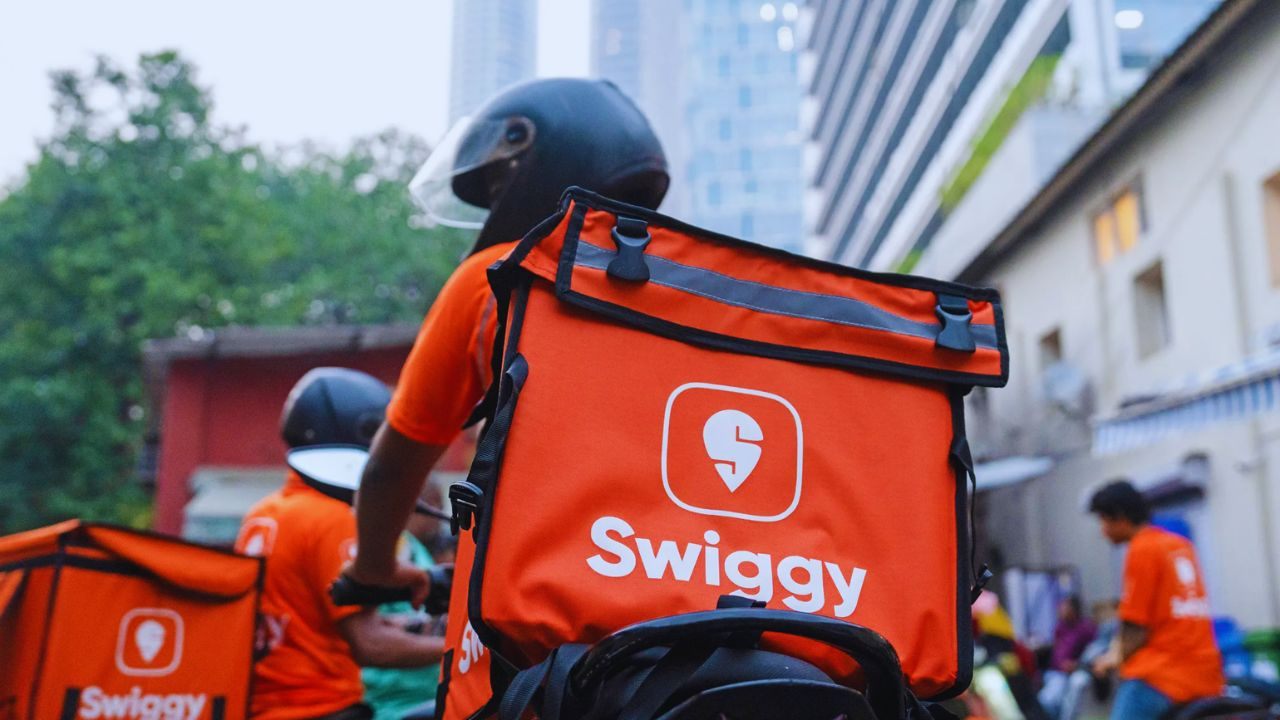
With the boom in ecommerce and food tech start-ups, platforms like Swiggy, Zomato, Blinkit (formerly Grofers), and Amazon have become household names. The appeal for many is flexible scheduling and the chance to earn independently.
That said, the nature of delivery jobs can vary widely between companies. For some, the focus is on quick, local runs; others handle packages or long-distance deliveries. Many companies do offer training, but you’d often learn the details on the job.
Overall, delivery work in India is not just about transportation–it combines customer interaction, time management, and often, a fair bit of physical effort.
Why Are Delivery Jobs a Popular Option in India?
Flexible Schedules and Autonomy
Flexibility is probably the biggest advantage. Students, homemakers, or anyone seeking a second source of income find this aspect especially attractive. In many cases, workers can pick time slots as per convenience.
Steady Demand in Urban Areas
India’s rapid urbanization and growing middle class have led to huge demand for quick deliveries. Major cities tend to offer more gigs, but even smaller towns now see a surge in local delivery startups.
Easy Entry With Low Barriers
For most positions, a high level of education or technical skill isn’t needed. A smartphone, basic navigation, and the right attitude can get things rolling. Companies generally assist with onboarding and guidance.
Who Can Apply for Delivery Jobs?
Anyone above 18 years with valid ID and, if required, a driver’s license, is generally eligible. Companies are open to freshers, retirees, and those with employment gaps. The barriers are quite minimal, but do vary by role and platform.
Typical Requirements
- Minimum Age (usually 18 years or older)
- Valid photo ID (like Aadhaar or PAN card)
- Bank account details
- Smartphone with internet access
- In some cases, two-wheeler vehicle and driver’s license
How to Find Delivery Job Openings in India
If you’re looking to get started, there are several practical ways to find delivery job openings suited to your location and preference.
- Direct company websites: Swiggy, Zomato, Amazon Flex, Dunzo, and others regularly list openings on their careers page.
- Job portals: Naukri, Indeed, and TimesJobs are popular choices, often aggregating roles from multiple companies.
- Gig apps: Many companies let you apply and get started directly through their mobile app—useful for instant onboarding.
Some platforms might ask for walk-in interviews or call-backs. Usually, application instructions are clear and designed to be accessible.
What Is the Typical Application Process?
Applying for a delivery job in India usually follows similar steps, though minor differences can occur between companies.
- Online registration—filling basic info and verifying your mobile number.
- Uploading documents—photo ID, driving license (if required), and sometimes a passport-sized photo.
- Background verification—companies may check the authenticity of details submitted, using third-party agencies.
- Short training or orientation—covers company rules, customer service basics, and safety guidelines.
- Collecting equipment—bags, uniforms, or company app installation, either at a company center or partner point.
Most people find the process straightforward, though you might have to wait a bit for verification or available slots. Occasionally, some applicants face delays, so patience and persistence do pay off here.

Top Platforms for Delivery Jobs in India
Swiggy
As one of India’s leading food delivery brands, Swiggy offers widespread job availability, simple onboarding, and competitive earnings through incentives. Access is primarily through their official app or website.
Zomato
Zomato’s delivery fleet is large, and their sign-up process mirrors Swiggy’s style. They regularly host recruitment drives in metropolitan areas, and support both full-time and gig workers.
Amazon Flex
Ideal for those interested in package delivery rather than just food. Amazon Flex offers flexibility, decent rates per batch, and lets workers pick blocks as they’re free.
Dunzo
Dunzo’s focus is on hyperlocal delivery, such as groceries and essentials. Their gig-based roles suit people seeking a short commute radius, with pay based on distance and order volume.
Blinkit (Grofers)
Blinkit continues to expand in grocery delivery, often recruiting locally. The company is known for rapid delivery and, hence, prefers candidates comfortable with city navigation.
Tips to Prepare a Strong Application
While requirements seem basic, standing out isn’t always about qualifications. Showing reliability, awareness of traffic rules, and a customer-first approach is crucial in this sector. Here are a few ideas:
- Keep all documents updated and scans ready for faster application.
- Mention any previous delivery experience, if applicable—even informal gigs.
- If you know local languages, highlight it; it can boost your selection rate, especially in smaller towns.
- Maintain a professional and concise tone in communication with recruitment staff, even if it’s just a chat message.
- Prepare for brief interviews or induction calls, which can sometimes happen on short notice.
Earnings Potential and Expenses
Earnings in delivery jobs in India differ by city, platform, and your willingness to work peak shifts. Base pay is usually per order, with bonuses for targets, peak hours, or weather-related work.
Some workers appreciate that earnings can scale up, even though it might not be consistent week to week.
It’s worth keeping in mind, though, that there are expenses—mostly fuel, mobile data, and basic bike maintenance. Some companies offer incentives, but budgeting for daily travel makes a difference in your net income.
Common Challenges in Delivery Work
No job is without its hurdles. Delivery work can sometimes mean dealing with unpredictable weather, heavy traffic, or difficult addresses.
Some regions see sharp competition, while others require longer hours during festivals or sales events. And, though platforms promise safety, incidents do occur. Self-awareness and staying alert are practical necessities.
For many, however, the pros outweigh the cons—especially the promise of fast payouts and minimal bureaucracy. But, it isn’t for everyone. The physical nature, unpredictability, and on-the-move aspect make it unique, if not always easy.
Conclusion
Finding and applying for delivery jobs in India can be a practical path for steady income, flexible schedules, and local work opportunities.
By understanding job requirements, comparing platforms, and preparing the right documents, applicants can start with more confidence. With consistency and smart planning, delivery work can support reliable earnings and long-term growth.