Food delivery services are reshaping the French job landscape. For many, flexibility and steady demand are appealing. Deliveroo remains a top choice for food couriers in France in 2024.
This guide is crafted for anyone living in France and considering part-time or full-time work with Deliveroo. Maybe you crave independence, or want to supplement your main income.
Below, find practical information about requirements, application steps, and what to expect when working for Deliveroo France . Everything is written for clarity, convenience, and trustworthy insight.
Why Deliveroo Is Popular in France
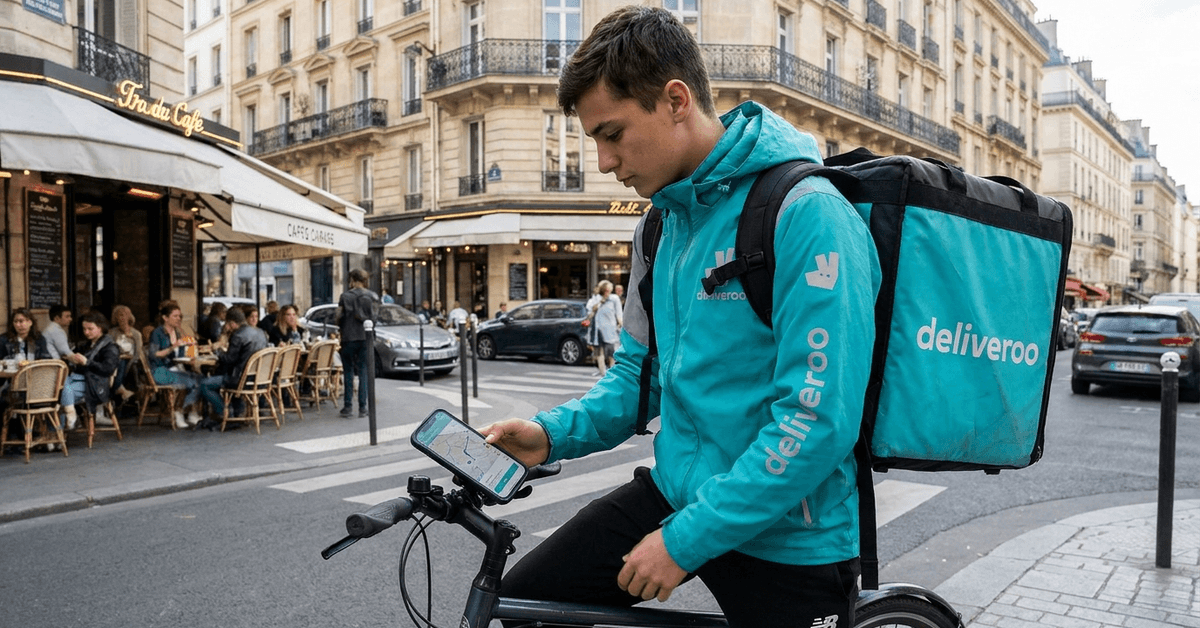
Deliveroo, widely recognized across Europe, has carved out a strong presence in many French cities. Explosive growth in food delivery means new couriers are frequently needed.
Unlike some gig jobs, delivering food through Deliveroo provides autonomy. Most shifts or delivery times can be personalized, which can be appealing for those with busy schedules.
Many report high satisfaction with Deliveroo due to established customer bases. Reliable payments and easy-to-use technology platforms also make things smoother.
Who Can Apply to Deliver with Deliveroo in France?
Opportunities are open to most French residents who meet certain basic requirements. Flexibility is key—students, jobseekers, and those seeking extra earnings are all represented.
Applicants typically need to be at least 18 years old. A smartphone, access to a bike, scooter, or car (depending on the city), and a valid photo ID are essential.
Additional documentation for non-EU citizens might be required. For many, a Carte de Séjour or similar residency status will suffice. These steps can be straightforward if tackled one at a time.
Status and Registration: Micro-Entrepreneur in France
Deliveroo couriers usually work as independent contractors (auto-entrepreneurs) in France. Registration as a micro-entrepreneur is the legal pathway most follow.
Starting as a micro-entrepreneur isn’t complicated. It’s free, done mostly online, and suitable for beginners. Still, care with administration is helpful to avoid confusion later.
Some prefer to handle registration independently, but help from an accountant or the URSSAF website is available for those hesitant about French paperwork.
How to Apply: Detailed Steps to Join Deliveroo France
The application process is designed for simplicity. Deliveroo’s official website centrally manages registrations, ensuring each applicant completes practical steps securely.
Step 1: Online Registration
Head to the official Deliveroo France application page. Complete the personal information form and submit. A valid email and phone number are required.
Step 2: Submit Necessary Documents
Applicants will be guided to upload legal documents. A photo ID (passport or identity card), proof of address, and vehicle insurance are typically required. If using a scooter or vehicle, a driving license is needed.
Step 3: Micro-Entrepreneur Confirmation
Deliveroo will request your SIREN number or other proof of micro-entrepreneur status. If you haven’t registered, Deliveroo provides advice on the process.
Step 4: Activate Your Account
Once documents are approved, Deliveroo will activate your account. You may receive an onboarding kit, which might include a bag and jacket. Some couriers opt to use their own gear, depending on local standards.
Step 5: First Ride and Platform Tour
Begin exploring the app’s features, scheduling deliveries or shifts as you wish. An initial orientation is recommended to understand route options and platform features.
Requirements for Working with Deliveroo in France
Not everyone meets every requirement at first glance, but most are manageable. Reliable transportation tops the list—most French cities accept bicycles, scooters, or cars for deliveries.
Essential Requirements:
- At least 18 years old
- Valid identification document
- A smartphone (Android or iOS)
- Micro-entrepreneur registration
- Bike, scooter, or car (with insurance if needed)
- Bank account details for payments
Depending on location, there can be small variations in requirements. Paris, Lyon, and Marseille may verify insurance for motor vehicles more strictly.
How Payments Work for Deliveroo Couriers in France
One of the common questions is about payment. Deliveroo pays French couriers per delivery, with rates that vary by city, distance, and, at times, demand surges.
Payments are transferred directly to the bank account each week. The payment breakdown is always visible through the app, so it’s easy to verify.
Sometimes, additional incentives appear during evenings, weekends, or holidays. However, there can be fluctuations in available deliveries—peak hours tend to be lunchtime and dinner.
What to Expect: Typical Workday with Deliveroo in France
Daily routines can differ, but a mix of autonomy and exercise is a common theme. Many enjoy discovering new streets and cycling as part of their working day.
Peak delivery times are lunch (11:00–14:00) and dinner (18:00–21:00). Some report quieter periods in mid-afternoon or late at night. Adapting to patterns can help maximize earnings.
Cultural events and weather sometimes disrupt routines. Still, most find that persistent demand makes Deliveroo a steady side gig.
Important Legal and Insurance Points
Working as a courier comes with responsibilities. Insurance (RC Pro) is mandatory if using any vehicle. Accidents can happen, so adequate coverage is critical.
As micro-entrepreneurs, couriers are responsible for declaring their income and paying social charges. This system also grants access to French health coverage for self-employed workers.
Periodic tax declarations (often quarterly or annual) are required. Most people adjust smoothly to these obligations after a few months.
Helpful Tips to Start with Deliveroo in France
Some success factors become apparent with a bit of experience. Being punctual, polite, and knowing your neighborhood’s layout matters more than expected.
Efficient route planning and reliable communication tools (phone battery, power bank) prevent delays. Many find that maintaining their bike or scooter helps avoid unexpected downtime.
Some couriers join online communities to exchange advice, though personal strategies still take time to perfect. Ultimately, consistency and patience tend to pay off.
Best Cities in France for Deliveroo Couriers
Major metropolitan cities like Paris, Marseille, and Lyon top the list for highest delivery demand. Larger populations often mean more restaurants and more consistent work.
Medium-sized cities such as Bordeaux, Toulouse, and Lille also offer good opportunities. Smaller towns may have fewer orders but can be less competitive.
Adapting to the environment and targeting busy districts often brings the best results, though long-term habits develop with experience.
Where to Apply to Deliver with Deliveroo in France
The safest and most consistent method is the official Deliveroo France sign-up platform . This is where you can register, check requirements, and follow updates securely.
Official processes ensure data protection and help monitor application status. Sometimes, local orientation sessions take place in major French cities—helpful but not required.
Conclusion: Embark on Your Deliveroo Journey in France
Becoming a Deliveroo courier in France offers flexibility, independence, and the potential for meaningful income. For students, working parents, or anyone wanting more autonomy, this route is worth exploring.
The registration process isn’t without administrative steps, but support is available. Over time, new couriers settle into the rhythm, adapting to demand and perfecting their routines. If flexibility and extra earnings interest you, Deliveroo is a proven option in the French gig economy.
To get started, visit the official Deliveroo France application page and review the full requirements in detail today.